
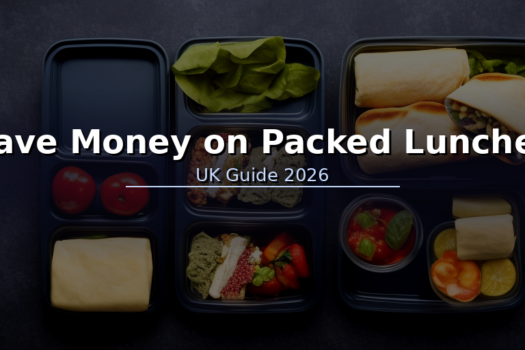
How to Save Money on Packed Lunches for Work and School in the UK – 2026 Guide

Why Packed Lunches Are One of the Easiest Ways to Save Money
If you are looking for a simple, practical way to cut your weekly spending, packed lunches are hard to beat. The average UK worker who buys lunch out every day spends between £6 and £12 per meal. Over a working week, that is £30 to £60. Over a year, it adds up to a staggering £1,500 to £3,000. For families with school-age children, the costs can be even higher when you factor in school meals, snack demands, and after-school hunger.
The good news is that switching to packed lunches does not mean eating sad sandwiches every day. With a bit of planning, some smart shopping, and a few simple recipes, you can eat well for a fraction of the cost. This guide walks you through everything you need to know to make packed lunches work for your household budget in 2026.
The Real Cost of Buying Lunch Every Day
Let us break down what people typically spend on bought lunches in the UK:
- Meal deal from a high street shop: £4 to £6 per day
- Cafe or bakery lunch: £7 to £12 per day
- School meals (paid): £2.90 to £3.50 per child per day
- Snacks and drinks on the go: £2 to £5 per day
For a family of four with two working adults and two school-age children, bought lunches could be costing you upwards of £60 to £100 per week. That is £3,000 to £5,000 per year. Even switching to packed lunches just three days a week would save hundreds of pounds.
Start With a Weekly Meal Plan
The single biggest mistake people make with packed lunches is deciding what to eat on the morning of. That leads to last-minute panic buys, repetitive sandwiches, and food waste. A weekly meal plan eliminates all of that.
Plan Around Your Evening Meals
The easiest packed lunches are leftovers from the night before. When you plan your evening meals, deliberately cook slightly larger portions. A curry that serves four can easily stretch to six, giving you two portions for lunch the next day. Roast chicken dinners can become chicken salad wraps. Pasta bakes can be portioned into containers and reheated at work or school.
Here is a simple weekly pattern:
- Monday: Sunday roast leftovers in wraps or sandwiches
- Tuesday: Pasta salad from Monday evening pasta bake
- Wednesday: Homemade soup with bread (batch cooked at the weekend)
- Thursday: Rice salad from Wednesday evening curry
- Friday: Fakeaway-style wrap using leftover chicken or beans
Get the Family Involved
If you are making packed lunches for children, get them involved in the planning. Kids who help choose what goes in their lunchbox are far more likely to eat it. Sit down on a Sunday evening, write out a simple plan for the week, and let them pick from a few healthy options. This also helps you write a more accurate shopping list, which means less food waste and fewer impulse buys.
Smart Shopping for Packed Lunch Ingredients
Where and how you shop for packed lunch ingredients makes a huge difference to your weekly bill. The key is to focus on budget-friendly staples and take advantage of supermarket deals.
Shop at Aldi and Lidl First
Aldi and Lidl consistently come out cheapest in supermarket price comparisons. Bread, wraps, eggs, cheese, yoghurts, fruit, and snack items are all significantly cheaper than the big four supermarkets. A weekly packed lunch shop for a family of four at Aldi might cost £18 to £25, compared to £35 to £45 at a premium supermarket.
Check out the latest deals at Aldi and Lidl to see what offers are running this week.
Use Supermarket Vouchers and Cashback
Before you do your weekly shop, check for supermarket vouchers and cashback offers. Sites like Freebies supermarket vouchers regularly list current offers from Tesco, Asda, Sainsbury’s, Morrisons, and Iceland. You can often find money-off coupons, multi-buy deals, and cashback opportunities that knock pounds off your weekly total.
Also check Tesco, Asda, Sainsbury’s, and Morrisons deal pages for the latest savings.
Buy in Bulk Where It Makes Sense
Some packed lunch staples are much cheaper when bought in bulk. Items like rice, pasta, tinned tomatoes, dried lentils, and oats have a long shelf life and are significantly cheaper per portion when bought in larger packs. A 5kg bag of rice from an Asian supermarket or wholesale store costs around £8 to £10 and provides roughly 60 portions. That is about 15p per portion, compared to 50p or more for smaller bags at standard supermarkets.
Be careful with bulk buying though. Only buy in large quantities if you know you will use the item before it expires. A giant tub of yoghurt that goes off before you finish it is not a saving.
Budget-Friendly Packed Lunch Ideas
Here are some practical, affordable packed lunch ideas that go beyond the standard cheese sandwich.
Savoury Options
- Homemade soup: A big batch of vegetable soup made from leftover veg, a stock cube, and some lentils costs about 30p per portion. Make it on Sunday, portion into containers, and you have lunch sorted for three or four days.
- Wraps and flatbreads: Wraps are often cheaper than bread and more versatile. Fill with leftover chicken, hummus, grated carrot, and lettuce for a filling lunch that costs under £1 per portion.
- Pasta salad: Cook extra pasta at dinner time, toss with chopped vegetables, a drizzle of oil, and some cheap feta or cheddar. Costs about 50p per portion and keeps well in the fridge.
- Vegetable fried rice: Rice is one of the cheapest foods you can buy. Fry leftover rice with frozen peas, sweetcorn, an egg, and some soy sauce for a tasty lunch that costs under 40p per portion.
- Baked potato: If you have access to a microwave at work, a jacket potato with a scoop of coleslaw or baked beans is one of the cheapest hot lunches you can make. The potato costs about 20p.
Sweet Snacks and Treats
- Homemade flapjacks: A tray of 12 flapjacks made with oats, butter, sugar, and golden syrup costs about £1.50 to make. That is 12p each, compared to £1 or more per bar from a shop.
- Fruit: Bananas, apples, and seasonal fruit from Aldi or Lidl are 10p to 20p per portion. Much cheaper than processed snack bars and far healthier.
- Yoghurt: Large tubs of natural yoghurt are much better value than individual pots. A 1kg tub costs about £1.20 and provides 5 to 6 portions. Add your own honey or frozen fruit for flavour.
- Homemade muffins: Banana muffins or carrot muffins are cheap to bake in batches and can be frozen individually. Pull one out in the morning and it will be defrosted by lunchtime.
Invest in the Right Containers
One of the main reasons people give up on packed lunches is that they get soggy, leak, or fall apart by lunchtime. The right containers solve this. You do not need expensive branded options. A set of four leakproof containers from a discount shop or supermarket costs around £4 to £8 and will last for months if not years.
- For adults: Look for containers with separate compartments so wet and dry foods do not mix. A small pot for dressing or dip is useful.
- For children: Bento-style boxes with compartments are popular and practical. They make it easy to include variety without everything getting mixed up.
- Insulated flasks: A small insulated flask (around £5 to £8) lets you take hot soup or stew to work without a microwave. This hugely expands your packed lunch options.
Batch Cooking to Save Time and Money
If the idea of making a packed lunch every morning feels like too much effort, batch cooking is the answer. Spending one or two hours on a Sunday afternoon preparing lunches for the whole week saves you time during busy weekday mornings and ensures you always have something ready to grab.
What to Batch Cook
- Soup: Make a large pot, blend or leave chunky, and portion into 5 containers. Freeze any extras.
- Flapjacks or muffins: One baking session gives you 12 to 24 snacks for the week.
- Boiled eggs: Boil 6 to 8 eggs on Sunday, keep in the fridge, and use in lunches throughout the week.
- Couscous or rice salad: Make a large bowl on Sunday, portion into containers, and add different toppings each day.
- Hummus: A tub of homemade hummus from a tin of chickpeas costs about 60p and provides 4 to 6 portions. Serve with carrot sticks or pitta bread.
Avoid These Common Packed Lunch Money Traps
- Pre-packaged snack portions: Mini packs of biscuits, cheese cubes, or fruit portions cost 3 to 5 times more than buying the full-size version and portioning it yourself. A 6-pack of mini cheese portions costs £2.20. A full block of the same cheese costs £2.50 and provides four times as much.
- Fancy drink bottles and branded water: Tap water in a reusable bottle is free. There is no need to buy bottled water or expensive drinks for packed lunches.
- Buying lunch items individually: A single packet of crisps from a corner shop costs 70p to £1. A multipack of 6 from a supermarket costs £1.20 to £1.80, which is 20p to 30p per bag.
- Letting food go to waste: If you make packed lunches and then buy lunch instead, the food you prepared goes in the bin. Commit to the plan for at least two weeks to build the habit.
How Much You Could Actually Save
Let us look at the numbers. Here is a realistic comparison for a family of four, switching from bought lunches to packed lunches five days a week:
- Before (bought lunches): Two adults at £7 per day plus two children at £3 per day = £20 per day = £100 per week = £5,200 per year
- After (packed lunches): Packed lunch ingredients for four people = approximately £25 per week = £1,300 per year
- Annual saving: Around £3,900
Even if you only switch three days a week and treat yourself to a bought lunch twice a week, you would still save over £2,000 per year. That is a holiday, a chunk of debt cleared, or several months of utility bills.
Use the Food Waste Cost Calculator to see how much wasted food is costing you, and the Grocery Price Comparison Calculator to find the cheapest supermarket for your regular shop.
Making It Sustainable Long-Term
The key to making packed lunches stick is variety. Eating the same thing every day gets boring fast, and that is when people give up and start buying lunch again. Keep a list of 10 to 15 packed lunch ideas that your family enjoys, and rotate through them. Try one new recipe each week to keep things interesting.
Also, do not try to go from zero to five days of packed lunches overnight. Start with one or two days a week, get into the rhythm of planning and prepping, and then gradually increase. By the end of a month, it will feel like second nature rather than a chore.
For more budget cooking inspiration, check out our guide to food and drink deals and our grocery deals page for the latest supermarket offers. If you are looking to cut costs across your whole household budget, the Budget Planner Calculator is a great place to start.
Final Thoughts
Packed lunches are not glamorous, but they are one of the most effective money-saving changes you can make. The savings add up quickly, the food is often healthier than what you would buy on the high street, and you have complete control over what goes into your body and your budget. With a bit of planning, some smart supermarket shopping, and a handful of simple recipes, you can save thousands of pounds a year without eating the same sad sandwich every day.

