
 Dr Mobeus
Petrol Prices Are Still Painful – Here is How to Fight Back
If you have been wincing every time you pull up to the pump, you are not alone. The average UK driver spends over £1,200 a year on fuel, and with prices still stubbornly high, every penny counts. The good news? There are genuine, proven ways to spend less on petrol that do not involve cycling everywhere or selling your car.
We have tested these tips ourselves and the savings add up fast. Some of them are instant, others take a bit of planning, but all of them work. Here are 10 ways to cut your fuel bill that actually make a difference.
1. Use a Fuel Price Comparison App
This is the single easiest way to save money on petrol. Fuel prices vary wildly between stations, even in the same town. We have seen differences of 15p per litre between stations less than 5 miles apart.
Download one of these free apps:
- PetrolPrices.com – The original and still one of the best. Covers over 8,000 UK stations. Free to use with a basic account.
- Waze – Shows real-time fuel prices reported by other drivers. Not as comprehensive but great when you are already on the road.
- Google Maps – Search “petrol station near me” and it will show prices for many stations. Not always up to date but better than nothing.
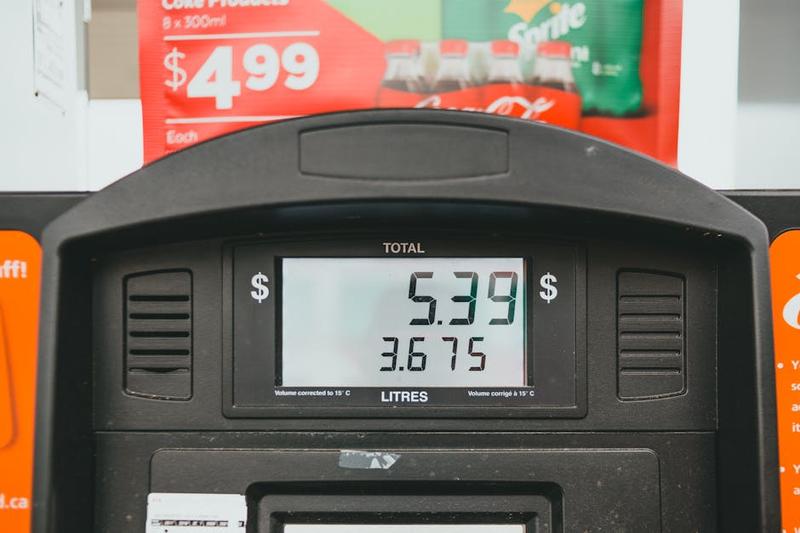
The trick is simple: check before you fill up. If your nearest station is 148.9p per litre and one 3 miles away is 139.9p, that 9p difference saves you about £4.50 on a 50-litre fill. Over a year, that is over £200 saved just by going to the right station.
2. Fill Up at Supermarket Fuel Stations
Supermarket petrol stations are consistently among the cheapest places to buy fuel in the UK. Asda, Tesco, Sainsbury’s and Morrison’s often undercut independent and branded stations by 2-5p per litre.
Even better, supermarkets regularly run fuel promotions:
- Tesco Clubcard Fuel Save – Earn points on fuel and spend, then use vouchers for money off petrol.
- Asda Smart Charge – Often the cheapest in any given area.
- Morrison’s Fuel Saver – Sometimes offers 5p off per litre when you spend £40+ in store.
- Sainsbury’s Nectar – Double points on fuel with a Nectar card.
A 5p per litre saving sounds small, but over 50 litres that is £2.50 per fill. Fill up once a week and you save £130 a year. Check out our Tesco deals page for current offers.
3. Slow Down – Seriously, It Works
This is the tip nobody wants to hear but everybody should follow. Driving at 70mph uses approximately 25% more fuel than driving at 50mph. And the difference between 60mph and 70mph? Roughly 10-15% more fuel.
According to the AA, dropping your motorway speed from 70mph to 60mph saves about 6p per mile. On a 100-mile journey, that is £6 saved just by easing off slightly. Over a year of commuting, that is hundreds of pounds.
Other driving habits that waste fuel:
- Harsh acceleration – Smooth and steady beats stamping the pedal every time.
- Leaving the engine idling – If you are stopped for more than 30 seconds, modern engines use less fuel restarting than idling.
- Short journeys with a cold engine – A cold engine uses significantly more fuel. Combine errands into one trip instead of multiple short ones.
- Carrying unnecessary weight – Every extra 50kg increases fuel consumption by about 2%. Clear out the boot.
4. Keep Your Tyres Properly Inflated
Underinflated tyres are one of the most common and most wasteful fuel problems on UK roads. According to the RAC, a tyre that is 10psi below the recommended pressure increases fuel consumption by about 3-5%.
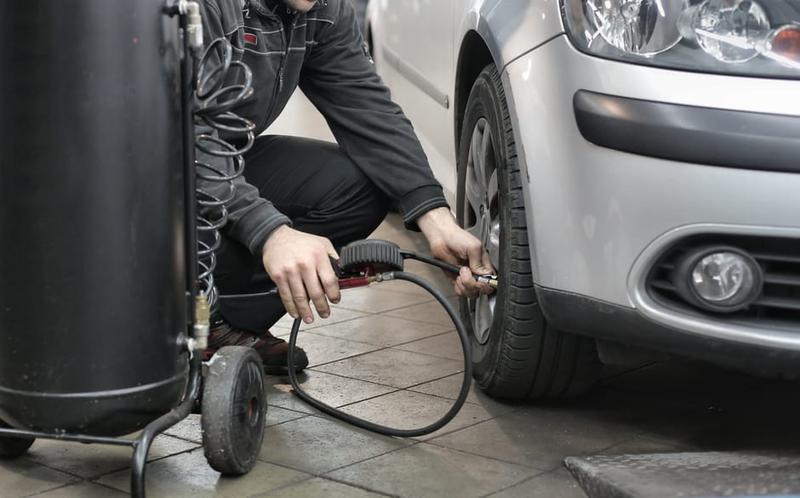
Check your tyre pressure at least once a month. You can do it for free at most supermarket and petrol station air pumps. Find the recommended pressure in your car’s handbook or on the sticker inside the driver’s door frame.
Bonus: properly inflated tyres last longer and are safer, so you save on tyre replacement costs too.
5. Use a Cashback Credit Card for Fuel
If you pay for fuel on a debit card or a non-cashback credit card, you are leaving money on the table. Several UK credit cards offer cashback on fuel purchases:
- Aqua Cashback – 3% cashback on fuel (and 0.5% on everything else). No annual fee.
- Amex Platinum Cashback Everyday – 1% cashback on all purchases including fuel (0.5% after you spend over a certain amount). No annual fee.
- Santander 123 Credit Card – 3% cashback on fuel (and 2% at department stores, 1% at supermarkets). Has a small monthly fee.
At 3% cashback on fuel, you get roughly £36 back per year on a £1,200 fuel spend. Not life-changing, but it is free money for something you have to buy anyway.
Check our guide to the best cashback sites in the UK for more ways to earn cashback on everyday spending.
6. Plan Your Routes Better
It sounds obvious, but how often do you drive somewhere without checking the best route first? Sat-navs are great, but they often default to the fastest route, not the most fuel-efficient one.
Fuel-saving route planning tips:
- Use Google Maps or Waze and check for traffic before you leave. Sitting in traffic wastes fuel.
- Combine trips – A warm engine is more efficient than a cold one. Do your shopping, school run and errands in one trip instead of three.
- Avoid hills and stop-start routes if there is a flatter, steadier alternative. Stop-start driving in town uses far more fuel than a steady 40-50mph on a dual carriageway.
- Avoid rush hour – Leaving 15 minutes earlier or later can halve your journey time and fuel use.
7. Turn Off the Air Con (When You Can)
Air conditioning is a fuel hog. The Energy Saving Trust estimates that running your air con can increase fuel consumption by up to 10% at lower speeds. At motorway speeds, the drag from open windows roughly cancels out the air con saving, so use air con on the motorway and open windows in town.
Better yet: use the fan without the air con compressor on milder days. It draws in outside air without the fuel penalty of the AC compressor.
8. Remove Your Roof Rack and Bike Rack
If you are not using them, take them off. A roof rack or bike rack creates drag that increases fuel consumption by 5-15% depending on the size and your driving speed. That is an extra £60-180 a year in fuel just for carrying an empty roof rack around.
The same goes for any unnecessary weight in the car. Golf clubs in the boot, that box of stuff you keep meaning to take to the tip, the pushchair you no longer need – it all adds weight and costs fuel.
9. Use Supermarket Loyalty Vouchers
If you are not maximising your supermarket loyalty scheme, you are missing out on free fuel. Most major supermarkets offer fuel discounts through their loyalty programmes:
- Tesco Clubcard – Collect points on fuel (1 point per £3 spent on fuel, 1 point per £1 in store). Points convert to vouchers worth 1p each, or use with Clubcard Partners for up to 3x value.
- Sainsbury’s Nectar – 1 point per litre of fuel. Points worth 0.5p each. Often run double or triple point events.
- Morrison’s More – Occasional 5p off per litre vouchers when you spend £40+ in store. Sign up to their emails to get these.
- Shell Go+ – 3p per litre off Shell fuel if you also buy something in the shop, plus fuel savings after 10 visits.
These schemes are free to join and the savings are automatic. If you are already buying petrol at these stations, you might as well get something back.
10. Consider Whether You Actually Need to Drive
This one is not about being preachy – it is about maths. The AA estimates that the true cost of running a car (including depreciation, insurance, MOT, fuel, and maintenance) is about £3,500-5,000 per year for a typical family car. That works out at roughly 40-55p per mile.
Before you drive, ask yourself:
- Could I walk or cycle this journey in under 20 minutes?
- Could I combine this trip with another errand?
- Is there a bus or train that is cheaper when you factor in parking?
- Could I car share with a colleague or neighbour?
Even replacing one journey per week with walking or cycling saves you around £100-150 per year in fuel and wear. Plus you get exercise for free.
Bonus: Look Out for Fuel Duty Changes
The UK government occasionally adjusts fuel duty or announces temporary fuel duty freezes. The current 5p per litre fuel duty discount that was introduced in 2022 has been extended multiple times – keep an eye on Budget announcements as any change directly affects pump prices.
You can check current fuel duty rates and any changes on the gov.uk website.
Quick Summary: Your Petrol Savings Checklist
- Download a fuel price app – Saves £200+/year
- Fill up at supermarkets – Saves 2-5p per litre
- Slow down to 60-65mph on motorways – Saves 10-15% on fuel
- Check tyre pressure monthly – Saves 3-5% on fuel
- Use a cashback card for fuel – Gets 1-3% back
- Plan routes and combine trips – Saves 5-10% on fuel
- Turn off air con in town – Saves up to 10% in urban driving
- Remove roof racks when not in use – Saves 5-15% on fuel
- Maximise loyalty vouchers – Get 5p+ off per litre
- Walk or cycle short journeys – Saves the full cost of that journey
Even doing just half of these could save you £300-500 a year. That is a holiday, a month’s groceries, or just a bit more breathing room in your budget. Start with the easy ones – download a fuel price app and check your tyre pressure this week. Your wallet will thank you.
For more money-saving tips, check out our guides to cutting your weekly shop and 30 ways to save on your food shop.