
 Dr Mobeus
Why Switching Supermarkets Isn’t Always the Answer
Every money-saving article tells you the same thing: switch to Aldi or Lidl and watch your food bill plummet. And sure, that works for some people. But what if you don’t have one nearby? What if your nearest Aldi is a 20-minute drive and the petrol costs more than you’d save? What if you rely on online delivery because you’ve got three kids and no time?
The truth is, you can save serious money on your weekly food shop without changing where you go. In fact, most people could shave £15-30 off their weekly bill just by shopping smarter at the supermarket they already use. Here’s exactly how.

1. Never Shop Without a List (and We Mean Never)
This sounds boring because it is boring. But it works. Every single study on food shopping shows that people who use a list spend 20-30% less than people who wander the aisles “just seeing what looks nice”.
The trick isn’t just writing a list – it’s sticking to it. That means:
- Meal plan for the week first. Decide what you’re eating for every dinner, then write down exactly what you need. Our £1 a day food challenge has a great framework for budget meal planning.
- Check what you already have. Before you write the list, open your fridge, freezer and cupboards. Use up what’s there first.
- Organise by aisle. It sounds over the top, but writing your list in the order you walk through the shop means fewer detours past the chocolate display.
2. Shop at the Right Time
Supermarkets reduce fresh items at specific times, and timing your shop can save you £10-20 a week on yellow sticker bargains alone. As we covered in our ultimate guide to yellow sticker bargains, here’s when to go:
- Tesco: Typically reduces at 8am, 12pm, 4pm and the biggest reductions after 7pm
- Sainsbury’s: First reductions mid-morning, final reductions from 6pm
- Asda: Reduces from 7am with biggest drops after 6pm
- Morrisons: Early morning and evening reductions, with Sunday evening being particularly good
- M&S: Famous for 75%+ reductions after 6pm – if you have one nearby, it’s worth a late visit
The best days? Monday and Tuesday mornings (after weekend overstock) and Sunday evenings (before fresh deliveries on Monday).
3. Use Your Loyalty Card Properly (Not Just at the Till)
Most people swipe their Clubcard or Sparks card and think that’s it. You’re leaving money on the table. Our UK loyalty schemes guide goes deep on this, but here are the quick wins:
- Tesco Clubcard: Check the app before you shop – there are almost always personalised coupons worth £2-8 off your next shop. The “Clubcard Prices” instore deals are genuinely cheaper, often 15-30% off.
- Sainsbury’s Nectar: Scan your card on the app every few days for personalised offers. The “spend £X get Y points” deals are often worth more than they seem.
- M&S Sparks: Offers appear in the app that don’t show on the shelf. Check before you go in.
- Co-op Membership: 2p back on every £1 spent, plus member-only prices. If you use Co-op regularly, it adds up.
4. Downshift One Brand Level on Everything
This is one of the easiest savings you’ll ever make. Supermarkets typically have four tiers of own-brand products:
- Premium/Finest – the one with the fancy packaging
- Standard own-brand – looks normal, tastes fine
- Value/Essentials – basic packaging, often the same product inside
- Smart Price/Value – the cheapest option
The jump from branded to own-brand saves you roughly 30-50%. The jump from standard own-brand to value saves another 20-30%. And for many staple products, the difference is negligible:
- Tinned tomatoes, baked beans, pasta, rice, flour, sugar, salt: The value version is often made in the same factory as the branded one. You’re paying for the label.
- Butter, milk, eggs: Basic commodity products where the cheapest option tastes identical.
- Cleaning products: Value bleach is bleach. Value washing-up liquid cleans dishes.
Try downshifting just one level on your next shop. If you normally buy branded baked beans, try the supermarket version. If you buy standard own-brand, try value. You won’t notice the difference on most things – and you’ll save £5-10 a week without thinking about it.
5. Buy in Bulk – But Only the Right Things
Buying in bulk saves money per unit, but only if you actually use what you buy before it goes off. Here’s what’s genuinely worth bulk-buying:
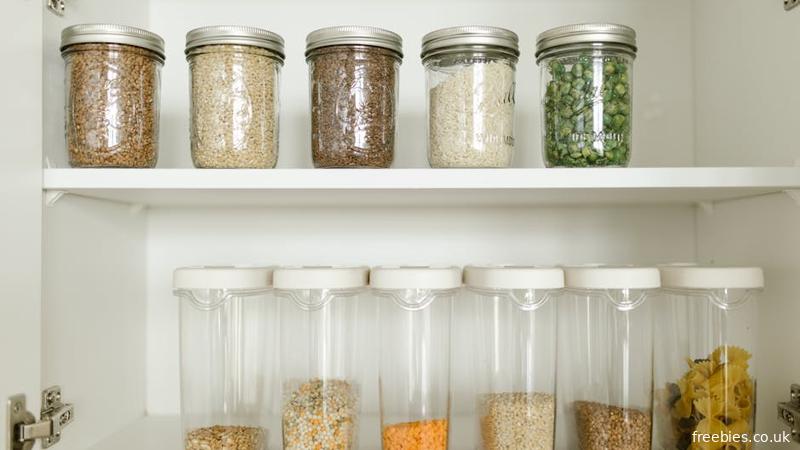
- Rice, pasta, flour, sugar: These last forever and are dramatically cheaper in big bags. A 5kg bag of rice costs roughly half as much per kg as a 1kg bag.
- Toilet roll and cleaning products: Always cheaper in bulk, and you won’t run out mid-week.
- Tinned goods: Stock up on tinned tomatoes, beans, and pulses when they’re on offer. They last years.
- Frozen veg: Often cheaper and just as nutritious as fresh, and you never waste it.
What NOT to bulk buy: fresh produce (unless you’re cooking for a crowd), anything you’ve never tried before (what if you hate it?), and anything that says “share bag” (you will eat the whole thing).
6. Use Cashback Apps on Your Normal Shop
If you’re already shopping at a supermarket, you might as well get money back. Apps like Green Jinn, Shopmium, and CheckoutSmart regularly offer cashback on products you’d buy anyway. Typical savings: £3-8 per week with almost no effort.
Combine cashback apps with your loyalty card and you’re effectively double-dipping on savings. Our guide to the best cashback sites covers this in more detail for general shopping, but for food specifically, Green Jinn tends to have the best grocery offers.
7. The Freezer Is Your Best Friend
If you don’t have a freezer, get one. A basic under-counter freezer costs about £60-80 second-hand and will pay for itself within two months. Here’s why:
- Yellow sticker meat and fish: Buy reduced, freeze immediately. You can get chicken breast, mince, and fish at 50-75% off.
- Batch cooking: Cook once, eat four times. Our £2 a day food guide has recipes designed specifically for batch cooking and freezing.
- Fresh herbs: Chop and freeze in ice cube trays with a splash of oil. No more wasting half a bunch of coriander.
- Bread: Buy reduced bakery bread, slice it, freeze it. Toast from frozen – you’ll never know the difference.
8. Stop Paying for Convenience Cuts
Pre-chopped vegetables, grated cheese, boneless skinless chicken breasts – you’re paying someone else to do five minutes of prep. The markup is eye-watering:
- Pre-grated cheese: Typically £2-3 more per kg than block cheese
- Pre-chopped onions: About 4-5 times the price per kg
- Chicken breasts vs whole chicken: A whole chicken costs roughly £3-4 per kg. Breast fillets cost £7-10 per kg. Buy the whole bird, roast it, and use it for three meals.
- Washed salad: A whole lettuce costs 50p. A bag of washed leaves costs £1.50. You’re paying £1 to have someone wash a lettuce.
Spend an extra 15 minutes prepping and you’ll save £5-10 a week without changing a single product.
9. Compare Unit Prices, Not Shelf Prices
Supermarkets are sneaky. They put the “best value” products at eye level and use different pack sizes to make price comparison difficult. The only way to compare fairly is to look at the price per kg or per litre – it’s legally required to be shown on the shelf edge label.
Watch out for these tricks:
- Multi-buys that aren’t deals: “2 for £5” when one costs £2.50 anyway. This happens more than you’d think.
- Bigger packs that cost more per unit: Sometimes the larger size is actually worse value. Always check.
- “Was £3, now £2”: The “was” price might have been the price for one week six months ago. Not a real saving.
10. Use Online Shopping to Avoid Impulse Buys
If you find yourself putting things in the trolley that weren’t on your list, try online shopping. It removes the sensory experience of wandering past the bakery section (the smell is intentional) and the strategically placed treats at the checkout.
Most supermarkets charge £3-7 for delivery, but:
- Delivery Saver passes (Tesco, Sainsbury’s, Asda) work out cheaper if you order more than twice a week
- Click and collect is usually free or much cheaper than delivery
- First-time delivery offers often give you free delivery or £10-15 off your first order
Plus, online shopping shows you the running total, which makes it much easier to stick to budget. No surprises at the till.
How Much Can You Really Save?
Let’s add it up for a typical family of four spending £100 a week on food:
- Meal planning and list: Save £15-20 (reduced waste + impulse buys)
- Yellow sticker timing: Save £8-15 (fresh produce and meat)
- Brand downshifting: Save £5-10 (swap 10 regular items for value)
- Bulk buying staples: Save £3-5 (rice, pasta, tins)
- Pre-chopped to DIY: Save £3-5 (cheese, veg, chicken)
- Cashback apps: Save £3-8 (on products you’d buy anyway)
Total: £37-63 per week, or £1,900-3,200 per year. Without switching supermarkets, without buying different meals, without feeling deprived.
That’s the point. You don’t need to change where you shop. You just need to change how you shop.
Quick Recap: Your Next Shop
- Check your cupboards and write a meal plan
- Make a list organised by aisle
- Check your loyalty app for personalised coupons
- Go at the right time for yellow stickers
- Downshift one brand level on your next 10 items
- Buy rice, pasta and tins in bulk
- Stop buying pre-prepared convenience products
- Check unit prices, not shelf prices
- Try online shopping for a few weeks
- Scan your receipt in a cashback app
Do all of that and you’ll save £30+ a week without setting foot in a different shop. And if you want even more savings, check out our supermarket price comparison guide to see which chains are actually cheapest on the items you buy.