
 Dr Mobeus
Your Electricity Bill Does Not Have to Be a Summer Shock
Most people think of winter as the expensive time for energy bills. But summer electricity costs can still sting – between fans, tumble dryers “just in case,” the fridge working harder in warm weather, and kids charging every device they own, your electricity usage can creep up without you noticing.
The good news? Summer is actually the easiest time to cut your bill. You are not fighting the cold, so small changes have a much bigger impact. These 15 tips can save you £200+ over the year, and most of them take zero effort.
Quick Wins – Save £50+ with Almost No Effort
Start here. These take minutes to do and the savings add up fast.
1. Kill Standby Power (£30-50 a year)
Your TV, games console, microwave, and dozens of other devices are drawing power even when you are not using them. The Energy Saving Trust estimates standby power costs the average UK household £30-50 a year. Walk around your house and switch off anything at the wall that is not actively in use. It takes five minutes and saves money every single day.
Easy fix: Plug your TV and related devices into one extension lead with a switch. One flick and they are all off.
2. Drop Your Washing Temperature to 30 Degrees (£20-30 a year)
Modern detergents work perfectly at 30 degrees. Unless something is genuinely filthy (we are talking muddy rugby kit, not a slightly grubby t-shirt), 30 degrees is fine. Switching from 40 to 30 degrees uses roughly 40% less electricity per wash. With the average household doing 270 washes a year, that is a significant saving.
Bonus: Your clothes last longer at lower temperatures too.
3. Stop Using the Tumble Dryer (£40-60 a year)
This is the single biggest summer saving. A tumble dryer costs about £1-1.50 per cycle. If you use it three times a week, that is £150-234 a year. In summer, you have absolutely no excuse. Hang washing outside on a line or airer. Even on cloudy days, a covered area or a spare room with an airer does the job for free.
Realistic approach: If you cannot give up the dryer entirely, use it only for towels and bedding, and air-dry everything else. You will still save £80+ a year.
Kitchen Changes That Cut Costs
Your kitchen uses more electricity than any other room. These changes make a real difference.
4. Use the Right-Sized Hob Ring (£10-15 a year)
Putting a small pan on a large ring wastes about 30% of the heat. Match your pan to the ring size. It sounds trivial, but across all your cooking, it adds up. If you have an induction hob, you are already ahead – they only heat the pan, not the air around it.
5. Boil Only What You Need (£10-20 a year)
Overfilling the kettle is one of the most common energy wastes in UK homes. Boiling a full kettle when you only need one cup uses three times the electricity. If your household makes 10 cups of tea a day, that is a lot of wasted energy over a year. Fill the kettle to the line you need, or measure water with your mug first.
6. Use Your Oven More Efficiently (£15-25 a year)
Batch cooking saves money twice: you use the oven once instead of three times, and you have ready meals that stop you ordering takeaway. A full oven uses the same energy as a half-empty one, so fill it up. If you are cooking a roast, put other dishes in at the same time. And turn the oven off 10 minutes before the end of cooking time – the residual heat finishes the job.
For more on this, see our guide to whether air fryers are cheaper than ovens.
7. Keep Your Fridge and Freezer Efficient (£10-20 a year)
Your fridge works harder in summer because the room temperature is higher. Help it out: keep it at 3-5 degrees (check with a fridge thermometer, £2 from Wilko), do not overfill it (air needs to circulate), and do not put hot food straight in. A fuller freezer is actually more efficient than an empty one – fill gaps with bags of water that freeze into ice blocks.
Check the seals: A piece of paper should be hard to pull out of a closed door seal. If it slides out easily, the seal needs replacing – a £15 part that saves you money every month.
Cooling Your Home for Less
Summer cooling does not have to mean expensive fans or air conditioning. There are cheaper ways to stay comfortable. For more detail, see our full guide on keeping your house cool without air conditioning.
8. Manage Your Windows Strategically (Free)
Open windows on the cool side of your house in the morning and close them (with curtains) on the sunny side before the heat builds. In the evening, open everything up to let cooler air through. This basic airflow management can lower room temperature by 2-3 degrees without spending a penny.
9. Use Fans Smartly (£10-20 saved vs AC)
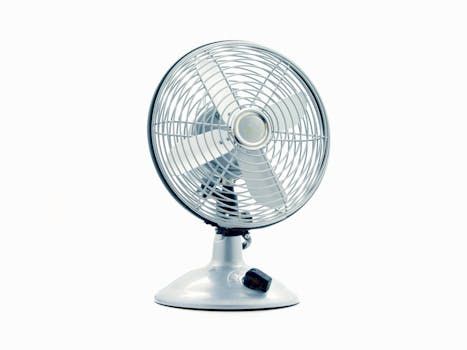
A pedestal fan costs 1-2p per hour to run. A portable air conditioning unit costs 15-25p per hour. Use fans to move air through your home, placing them near open windows in the evening to pull cool air in. A fan aimed at a bowl of ice creates a surprisingly effective DIY cool breeze for a fraction of the cost.
10. Close Curtains on South-Facing Windows (Free)
Direct sunlight through glass is like a free heater – except you do not want one in summer. Close curtains or blinds on any windows getting direct sun, especially south and west facing. This single action can keep a room 3-5 degrees cooler.
Laundry and Cleaning for Less
Summer changes the laundry game entirely. Take advantage.
11. Wash Less Frequently
In summer, you do not need to wash jumpers, jeans, and towels as often. Jeans can be worn 3-4 times before washing. Towels dry quickly on a rail and can go a few days between washes. Fewer washes means less electricity, less detergent, and less wear on your clothes.
12. Use Eco Cycles on Your Washing Machine
Most modern washing machines have an eco or economy cycle. It takes longer but uses significantly less electricity and water. Since you are drying clothes on a line in summer anyway, the longer cycle time does not matter. Eco cycles typically use 30-50% less energy than standard cycles.
Bigger Changes Worth Considering
These require a bit more effort or investment, but the payback is substantial.
13. Switch to LED Bulbs If You Have Not Already (£30-50 a year)
If you still have any halogen or old-style bulbs, swap them. LED bulbs use about 80% less electricity and last 10-25 times longer. A 10W LED replaces a 50W halogen. In a house with 20 bulbs, that is a saving of 800W every time you have the lights on. LED bulbs cost £1-2 each now – they pay for themselves within months.
14. Check If You Are on the Best Electricity Tariff (£50-150 a year)
The energy market has stabilised in 2026 and there are now real differences between tariffs again. Use a comparison site (uswitch, MoneySuperMarket, or check our switching guide) to see if you can save by moving to a different tariff or provider. Fixed deals are available again and can save £50-150 a year compared to standard variable tariffs.
15. Consider a Smart Meter (Free, Saves £20-50 a year)
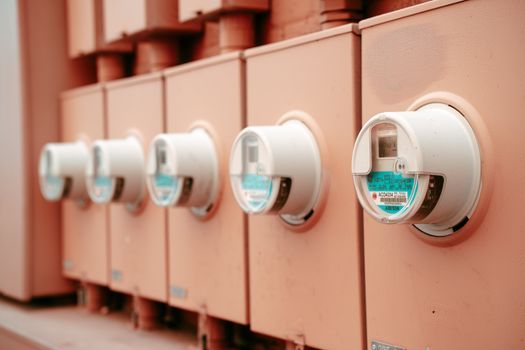
Smart meters are still free to get from your supplier. The in-home display shows exactly what you are spending in real time, which makes it much harder to ignore waste. Studies show households with smart meters reduce their electricity use by 2-4% on average just from the awareness of seeing costs tick up.
How Much Can You Actually Save?
Add up the realistic savings from these tips:
- Kill standby: £40
- Wash at 30 degrees: £25
- Stop tumble drying in summer: £50
- Kettle and oven efficiency: £30
- Fridge and freezer management: £15
- Smart cooling vs air conditioning: £20
- LED bulbs: £40
- Better tariff: £80
Total: £300 a year – and that is a conservative estimate. Most households could save even more if they currently use the tumble dryer heavily or have not switched tariff recently.
The Easiest Place to Start
Pick three things from this list and do them today: switch off standby, boil only what you need, and hang your washing outside instead of using the dryer. Those three actions alone will save you £80-100 a year and take less than 10 minutes to put into practice.
For more ways to cut your household bills, check out our guides on saving money on your water bill and saving £1,000 a year without trying.

