
 Dr Mobeus
Why UK Homes Turn Into Ovens
If you’ve ever spent a July night lying awake in a 28-degree bedroom wondering why British houses seem specifically designed to trap heat, you’re not imagining it. UK homes are built to retain warmth – thick insulation, double glazing, small windows – which is brilliant in November and absolutely lethal in a heatwave.
Unlike our Mediterranean neighbours, most UK homes don’t have air conditioning. Only about 5% of UK households have any form of AC, compared to over 90% in the US. And with energy prices still high, running an AC unit all summer isn’t just unusual – it’s expensive. A portable AC unit costs 20-35p per hour to run, which adds up to £60-100 a month if you’re using it 4 hours a night.
The good news? There are dozens of cheap and free ways to keep your house cool that most people never think of. This guide covers them all, from the quick wins that cost nothing to the investments that pay for themselves.
The Free Stuff – Things You Can Do Right Now
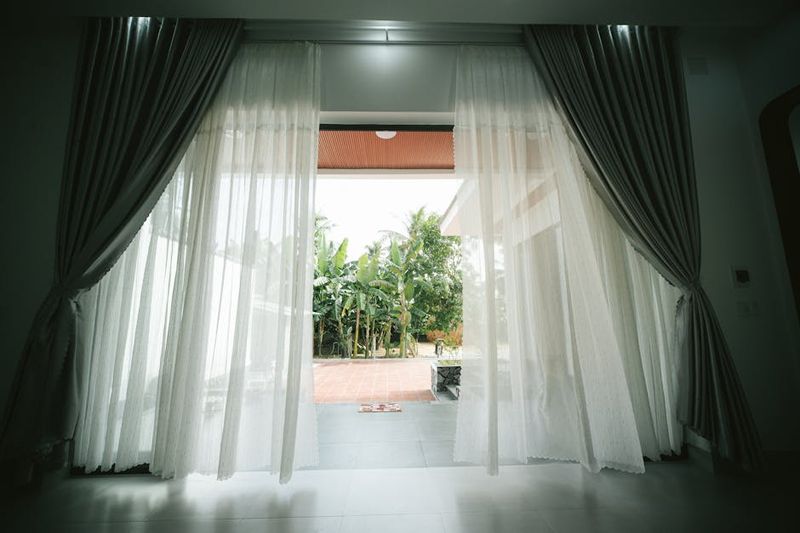
Close Windows at the Right Time
This is the single biggest mistake people make. When it’s hot outside, opening windows doesn’t cool your house down – it lets hot air in. The time to open windows is overnight and in the early morning when the outside temperature drops below the inside temperature. Close them before the temperature outside rises again, typically by 9am.
Create a through-draft by opening windows on opposite sides of the house. If you have a loft hatch, open it – hot air rises and will escape through the roof space.
Block the Sun Before It Gets In
Once sunlight has passed through your window and hit a surface, it’s too late – that heat is now inside your home. Prevention is everything. Close curtains and blinds on south and west-facing windows during the day, especially between 11am and 4pm when the sun is strongest.
Better yet, block the sun on the outside. External shading is far more effective than internal curtains because it stops the heat before it enters. Even a sheet pinned over the outside of the window (if you can safely reach) is more effective than closing your curtains.
The Damp Towel Trick
Hang a damp towel or sheet over an open window at night. As the water evaporates, it cools the air coming through. This is basically a homemade evaporative cooler and it genuinely works, especially in dry heat. Just make sure the towel is damp, not dripping wet.
Switch Off Heat Sources
Your home has hidden heat sources you might not think about:
- Oven and hob – the biggest culprits. Eat cold meals or use the microwave during hot spells
- Tumble dryer – generates serious heat. Line dry instead (it’s free)
- Incandescent bulbs – a 60W bulb converts 95% of its energy to heat. LED bulbs run much cooler
- Games consoles and PCs – especially gaming PCs, which can output 300-500W of heat
- Chargers left plugged in – they’re warm even when not charging
Turning off just the heat-generating appliances you’re not using can drop your room temperature by 1-2 degrees. Check our energy saving guide for more on cutting wasted electricity.
The Fan and Ice Method
If you have a fan, place a bowl of ice (or frozen water bottles) directly in front of it. The fan blows air over the ice, creating a cold breeze that’s surprisingly effective. Frozen water bottles are ideal because they don’t spill and you can refreeze them overnight.
This costs nothing beyond the electricity your fan already uses (about 1p per hour for a desk fan) and the freezer is running anyway. It’s not AC, but on a 25-degree night it makes a real difference.
Cheap Upgrades – Under £20
Blackout Curtains or Thermal Blinds
Blackout curtains don’t just block light – they block heat too. A decent pair costs £15-25 from Argos, Dunelm or Amazon and can reduce room temperature by 3-5 degrees during the day. Look for ones with a thermal backing – they work in winter too, keeping heat in when it’s cold.
If you’re renting and can’t change curtains, buy blackout liner panels (£8-12) that attach to your existing curtain hooks. No drilling required.
Window Film
Reflective window film is one of the best value heat-reduction products available. A roll costs £8-15 from Amazon or B&Q and can reduce solar heat gain by up to 70%. You cut it to size, spray the window with soapy water, and stick it on. It’s removable and reusable, so perfect for renters.
The film works by reflecting infrared radiation while still letting visible light through. Your room stays bright but significantly cooler.
LED Bulbs
Replace any remaining halogen or incandescent bulbs with LEDs. A 10W LED produces the same light as a 60W incandescent but generates far less heat. If you’ve got 10 old bulbs in your house, that’s 500W of heat you’re generating for no reason. LED bulbs cost £1-2 each from most supermarkets now.
Mid-Range Solutions – £20 to £80
Portable Fans – Which Actually Work?
Not all fans are equal. Here’s what to look for:
- Tower fans (£20-40) – quiet, oscillating, good for bedrooms. Not the most powerful but adequate for most rooms
- Pedestal fans (£15-35) – more powerful airflow, height adjustable, good for living rooms
- Desk fans (£10-20) – cheap and effective for direct cooling at your desk or bedside
- Bladeless fans (£50-80) – look great and are safe for kids, but not significantly better than a £25 tower fan
The key spec is CFM (cubic feet per minute) – the higher, the more air it moves. Don’t pay more than £40 unless you want it to look fancy. Compare fan deals on our deals page.
Evaporative Coolers
These cost £30-70 and work by blowing air through a water-soaked filter. They use about a quarter of the electricity of an AC unit (roughly 5p per hour vs 25p) and can drop room temperature by 2-4 degrees. They work best in dry heat and less well in humid conditions, which is worth knowing given British summer weather.
Cotton or Bamboo Bedding
If you’re sleeping hot, your bedding matters more than you think. Swap polyester or microfibre sheets for 100% cotton or bamboo. Cotton is breathable and wicks moisture. Bamboo is even better – it’s naturally cool to the touch and extremely breathable. A bamboo duvet set costs £25-40 from Amazon or Dunelm and makes a genuine difference to sleep quality in hot weather.
The Bigger Investments
Loft Insulation – Helps in Summer Too
Most people think loft insulation is for winter, but it works both ways. Proper loft insulation stops the sun-baked roof space from radiating heat down into your bedrooms. If your loft insulation is less than 270mm thick, you’re under-insulated.
Under the ECO4 scheme, many households qualify for free insulation. Check the government’s energy grants page to see if you’re eligible. Even if you don’t qualify for free insulation, topping up your loft costs around £200-300 DIY and saves you money on heating in winter too.
External Shutters or Awnings
External shading is significantly more effective than internal curtains because it stops heat before it enters your home. Retractable awnings cost £150-400 and can reduce room temperature by 5-10 degrees on sunny days. They also let you enjoy your garden or patio in the shade.
Room-by-Room Tips

Bedroom
- Keep curtains closed all day while you’re out
- Put your sheets in a bag in the freezer for 30 minutes before bed (weird but effective)
- Fill a hot water bottle with cold water and freeze it – put it in your bed an hour before sleeping
- Sleep on the lowest floor possible – hot air rises
- Point a fan at the window to blow hot air out, not at you
Living Room
- Close south-facing curtains during peak sun hours (11am-4pm)
- Turn off the TV and consoles when not in use – they generate surprising heat
- Use a damp mop on hard floors – evaporation cools the room
Kitchen
- Cook in the morning or late evening when it’s cooler
- Use the microwave, slow cooker, or air fryer instead of the oven
- Run the dishwasher at night on an eco cycle
- Keep the oven door closed when cooking – even a quick check lets heat out
When It Gets Really Hot – Emergency Cooling
During a heatwave, pull out all the stops:
- Cold shower before bed – lowers your core temperature
- Freeze wet flannels – put them on your neck and wrists
- Create a cross-breeze – open windows on opposite sides, close internal doors to direct the air
- Sleep with just a sheet – ditch the duvet entirely
- Stay hydrated – drink water constantly, even if you don’t feel thirsty
- Check on neighbours – especially elderly ones who struggle more in heat
The NHS has a useful heatwave advice page with more health tips.
What About Air Conditioning?
If you’re considering AC, here’s the reality:
- Portable AC units cost £150-300 to buy and 20-35p per hour to run. They’re noisy and not very efficient – most struggle to cool more than one room
- Fixed split units cost £1,000-2,000 installed but are much more efficient at 10-15p per hour. Best if you have one room that really needs it (usually the bedroom)
- Running costs – a portable unit running 8 hours a night for 2 weeks would cost £22-39. Over a whole summer, £60-100
Honestly? For most UK homes, the combination of window management, fans, and the cheap upgrades above will keep you comfortable for 90% of the summer. AC is overkill for the 2-3 weeks of genuinely hot weather we typically get. If you do buy one, look for units with A+++ energy ratings and compare running costs carefully.
The Bottom Line
You can make your UK home significantly cooler without spending hundreds on air conditioning. Close windows during the day, block sunlight at the source, use fans strategically with ice, switch off heat-generating appliances, and invest in blackout curtains or window film if you can. For under £50 total, you can drop your room temperature by 3-5 degrees – and sleep properly instead of lying there wishing you lived in a house designed by someone who’d heard of summer.
For more ways to cut your energy bills and keep costs down this summer, check out our utility saving guides and our latest discount codes.