
 Dr Mobeus
Energy bills are the household expense that keeps on taking. The average UK household spends over £1,200 a year on gas and electricity, and with the energy price cap still above pre-crisis levels, millions of families are paying more than they need to. The good news is that a surprising number of the most effective ways to cut your energy costs cost nothing or very little. You do not need to replace your boiler or install solar panels to save £200 or more a year – you just need to know where the waste is hiding.
Here is a practical guide to reducing your energy bills before summer, with real numbers and realistic savings.
Check Your Energy Price Cap Rate
The energy price cap sets the maximum rate suppliers can charge per unit of gas and electricity. From April to June 2026, the cap is set at around £1,690 per year for a typical household paying by Direct Debit. That is lower than the peak of £4,279 in early 2023 but still well above the £1,042 average of early 2021.
The key thing to understand is that the cap is a maximum, not a target. Many suppliers offer fixed tariffs below the cap, and switching to one of these is the single easiest way to save money right now.
Use a Comparison Site
Head to a comparison site like MoneySavingExpert’s Cheap Energy Club or USwitch, put in your details, and see what is available. The whole process takes 10 minutes and the switch happens automatically – your supply does not change, only the billing company does. Typical savings from switching: £100 to £300 a year.
Variable vs Fixed Tariffs
Most households are on a variable tariff tied to the price cap. Fixed tariffs lock in your unit rate for 12 to 24 months. Right now, good fixed deals are available at roughly 5 to 10 percent below the cap. If you think prices might rise, fix now. If you think they might fall, stay variable. Either way, check every six months because the market shifts regularly.
The Free Changes That Save Real Money
Before you spend a penny, make these changes. They cost nothing and together can save £200+ a year:
Turn Your Thermostat Down 1 Degree
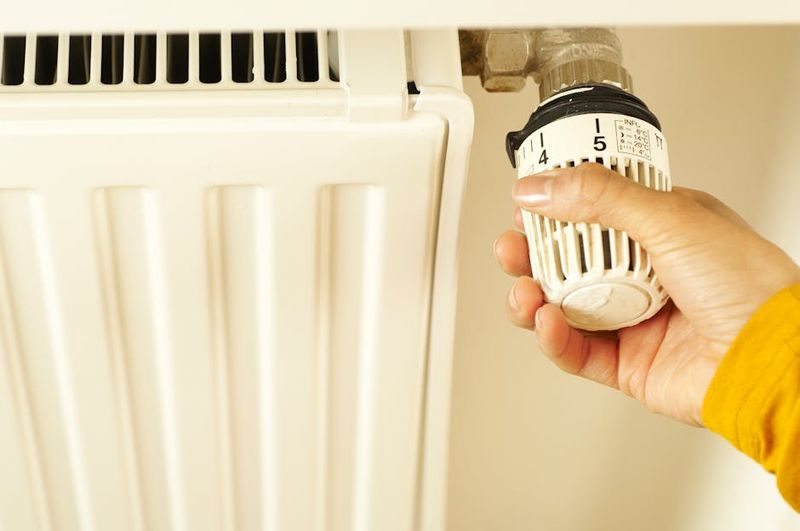
For every degree you lower your thermostat, you save roughly £100 a year on heating (according to the Energy Saving Trust). Going from 21 to 20 degrees is barely noticeable in terms of comfort but it is a hundred quid back in your pocket. Most people will not even notice the difference after a day.
Switch Off Standby
The average UK household wastes £55 to £80 a year on standby power. That is your TV, games console, microwave, charger, and all the other devices quietly drawing power 24 hours a day. Walk around your home and unplug anything that does not need to be on. Better yet, plug groups of devices into a single switched extension lead so you can turn them all off at once.
Wash at 30 Degrees
Washing at 30 degrees uses roughly 40 percent less energy than washing at 40 degrees, and modern detergents are designed to work at low temperatures. For most everyday laundry, 30 degrees is perfectly fine. Save the 60-degree wash for towels and bedding once a month.
Use Your Timer and Thermostat Properly
Do not leave the heating on all day if nobody is home. Set your timer to come on 30 minutes before you wake up and 30 minutes before you get home. Set it to go off 30 minutes before you leave or go to bed. The house stays warm for a good while after the heating goes off, so you are not living in the cold – you are just not paying to heat an empty house.
Close Doors and Use Draught Excluders
Heating rooms you are not in is a waste. Close doors to unused rooms and use draught excluders (a rolled-up towel works fine) at the bottom of external doors. If you want to spend a few quid, self-adhesive foam draught strips from B&Q or Wickes cost £3 to £5 per door and make a noticeable difference.
The Cheap Upgrades That Pay for Themselves
If you can spend a little to save a lot, these are the upgrades with the fastest payback:
LED Light Bulbs
If you still have halogen or old-style incandescent bulbs, swapping them for LEDs is one of the best investments you can make. A single LED bulb uses roughly 80 percent less energy than a halogen equivalent and lasts 15 to 25 times longer. Replacing 10 halogen bulbs with LEDs costs around £20 to £30 and saves £50 to £70 a year. They pay for themselves in under six months.
Radiator Reflective Panels
These are foil panels that sit behind your radiators and reflect heat back into the room instead of letting it escape through the wall. A pack for 5 radiators costs around £25 from DIY stores and saves roughly £15 to £20 a year on heating. Not a massive saving, but it pays for itself in under two years and requires zero effort to install.
Hot Water Cylinder Jacket
If you have a hot water cylinder (common in homes with a system or regular boiler), an insulating jacket costs £15 to £25 and saves around £45 to £65 a year on water heating. That is a payback period of less than six months. If your current jacket is less than 80mm thick, replace it.
Smart Power Strips
A smart power strip detects when devices are on standby and cuts the power automatically. They cost £15 to £25 each and save roughly £30 to £50 a year if you have several devices plugged in. Particularly effective for entertainment centres with a TV, soundbar, games console, and streaming box.
Are Smart Meters Worth It?
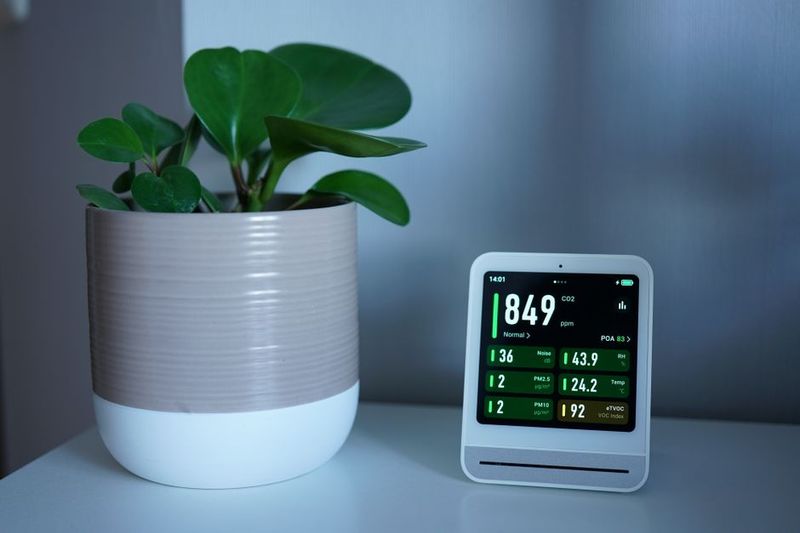
Smart meters are free to install and give you real-time information about your energy use. The display screen shows exactly how much you are spending per hour, which makes it much easier to identify waste. They also mean no more estimated bills – you only pay for what you use.
The main benefit is awareness. When you can see that your electricity jumps from 15p an hour to 80p an hour when the oven goes on, you start making different decisions about when and how long you cook. Most people who get a smart meter reduce their usage by 5 to 10 percent simply because they can see the cost in real time.
Book a free smart meter installation through your energy supplier’s website. It takes about 90 minutes and you do not need to pay anything.
The Government Schemes You Might Be Missing
There are several government-backed schemes that help with energy costs, and a surprising number of eligible people do not claim them:
Warm Home Discount
This gives you a £150 discount on your electricity bill if you receive Pension Credit, Universal Credit, or certain other benefits. It is applied automatically if you are eligible – you should see it on your bill between October and March. If you think you qualify but have not received it, contact your supplier.
Energy Company Obligation (ECO4)
If you receive certain benefits or live in an energy-inefficient home, you may be eligible for free insulation, a new boiler, or other energy efficiency improvements through the ECO4 scheme. The work is funded by energy companies and costs you nothing. Check eligibility at the government’s energy efficiency page.
Winter Fuel Payment
If you were born before 23 September 1958, you can get between £250 and £600 to help with heating costs. Most people receive it automatically, but if you have recently started receiving a qualifying benefit, check that you are on the list.
Summer-Specific Energy Tips
Energy bills often drop in summer because heating use falls, but there are still savings to be made:
Use a Clothes Line Instead of a Tumble Dryer
A tumble dryer costs roughly £1 per cycle. If you use it twice a week, that is over £100 a year. Hanging washing on a line or airer costs nothing. In summer, clothes dry in a few hours outside and you save the full cost of running the dryer. Even in winter, an indoor airer next to a radiator works for most items.
Keep Your Fridge and Freezer Efficient
A fridge uses more energy when it is working harder. Keep it away from direct sunlight and heat sources, ensure air can circulate around the back, and do not overfill it – cold air needs space to circulate. Defrost your freezer regularly if it is not a frost-free model. Ice build-up makes it work harder and use more electricity.
Use a Slow Cooker or Air Fryer Instead of the Oven
A slow cooker uses roughly 15p of electricity for an 8-hour cook. An air fryer uses about 20p for 30 minutes. An electric oven uses 40p to 60p for the same 30 minutes. If you are cooking for one or two people, a slow cooker or air fryer is significantly cheaper to run than heating a full oven. Check out our full breakdown of air fryer vs oven running costs for the numbers.
Cool Your Home Naturally
Instead of reaching for a fan (which costs roughly £10 to £20 a summer to run), try these free cooling methods first. Close curtains on south-facing windows during the day to block direct sunlight. Open windows on opposite sides of the house in the evening to create a through-breeze. Keep internal doors open at night to let warm air escape. See our guide to cooling your home without air conditioning for more detailed tips.
Quick Savings Summary
Here is every saving we have covered, ranked by how easy it is to achieve:
- Turn thermostat down 1 degree: Saves ~£100/year – Free, takes 5 seconds
- Switch energy tariff: Saves ~£100-300/year – Free, takes 10 minutes
- Switch off standby: Saves ~£55-80/year – Free, takes 10 minutes to go round the house
- Wash at 30 degrees: Saves ~£30-50/year – Free, just change a setting
- Use heating timers: Saves ~£50-100/year – Free, takes 5 minutes to programme
- Draught proofing: Saves ~£25-50/year – Costs £5-15, takes 30 minutes
- LED bulbs: Saves ~£50-70/year – Costs £20-30, pays back in under 6 months
- Cylinder jacket: Saves ~£45-65/year – Costs £15-25, pays back in under 6 months
- Radiator reflectors: Saves ~£15-20/year – Costs £25, pays back in under 2 years
- Smart power strips: Saves ~£30-50/year – Costs £15-25, pays back in under 1 year
- Line dry clothes: Saves ~£100+/year – Free in summer, negligible effort
- Slow cooker instead of oven: Saves ~£50-80/year – Costs £20-40 for the cooker, saves from day one
Total potential savings: £400 to £700+ a year
And that is without claiming any of the government schemes above, which could add another £150 to £600 to your savings if you are eligible.
Take Action Today
Start with the free changes – they take minutes and cost nothing. Turn your thermostat down, switch off standby, and check if you are on the best tariff. Then work through the cheap upgrades over the next few weeks. An LED bulb swap and a cylinder jacket together cost under £50 and save over £100 a year. That is a return that any investment adviser would be jealous of.
The most important thing is to do something rather than nothing. Energy bills are not going to drop dramatically any time soon, and every pound you save is a pound you keep. Check your tariff, fix if it makes sense, and start cutting the waste today. Your future bank account will thank you.