
 Dr Mobeus
Why Your MOT Costs More Than It Should
The average UK MOT costs £54.85 at the maximum legal price, but plenty of garages charge less. And that is before you factor in the repairs. The average repair bill after a failed MOT is £272, according to the Driver and Vehicle Standards Agency. Over a year, keeping a car road-legal and running smoothly can easily cost £600-£800 if you are not paying attention.
But here is the thing: a huge chunk of that cost is avoidable. From choosing the right garage to doing simple checks yourself, you can realistically save £300-£500 a year on your MOT and car maintenance without cutting any corners on safety.
The Maximum MOT Price – And How to Pay Less
The absolute most a garage can charge you for an MOT is £54.85 (as of 2026). That is the legal maximum. But plenty of places charge well under that:
- Council MOT test centres – Often charge the full rate but have zero incentive to find unnecessary repairs since they do not do repairs. This makes them the most honest option.
- National chains (Kwik Fit, Halfords, National Tyres) – Frequently run MOT deals for £25-£35, especially online. They make money on repairs, so be cautious about add-ons.
- Independent garages – Typically charge £35-£50. Many offer free retests within 10 days if you get repairs done there.
- Groupon and voucher sites – Regularly have MOT deals at £20-£30, usually through national chains.
Our top tip: book your MOT through National Tyres or Halfords online and you will often pay £30-£35 instead of £54.85. That is an instant £20 saving for exactly the same test.
The Council MOT Trick Most People Do Not Know
This is one of the best money-saving tips for car owners. Councils run their own MOT test centres for their vehicle fleets (bin lorries, council vans, etc.). By law, these centres must also offer MOTs to the public.
Why does this matter? Because council test centres:
- Do not do repairs – so they have zero financial incentive to find problems that are not really there
- Are often cheaper than the maximum fee
- Employ proper DVSA-certified testers – exactly the same qualification as any other MOT tester
- Are usually less busy, so you can often get a same-day appointment
To find your nearest council MOT centre, search for “council MOT test centre near me” or check your local council website. Not every council has one, but most medium and large councils do.
7 DIY Checks That Prevent MOT Failures
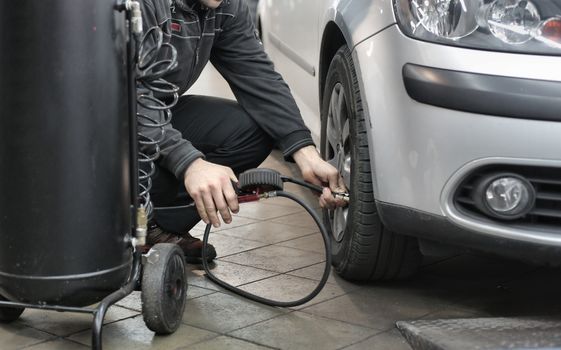
About 30% of cars fail their MOT first time, and the most common reasons are things you can check yourself in 10 minutes before you go. Fix these before your test and you will save yourself a retest fee and a repair bill:
1. Lights and Bulbs (18% of failures)
Turn on every light and walk around the car. Headlights, sidelights, indicators, brake lights, reverse lights, fog lights, number plate lights, and the indicator on the dashboard. A replacement bulb costs £2-£5 from Halfords. A garage will charge £15-£30 for the same job.
2. Tyres (12% of failures)
The legal minimum tread depth is 1.6mm across the central three-quarters of the tyre. Put a 20p coin into the tread grooves – if you can see the outer band, your tyres are too worn. Also check for bulges, cracks, and cuts in the sidewall. A new tyre starts at about £50, but catching uneven wear early means you might only need a tracking adjustment (£25-£40) instead.
3. Screen Wash and Wipers (8% of failures)
Top up your screen wash before the test. It takes 30 seconds. Check your wiper blades are not split or perished – a new set of wiper blades costs £10-£20 and takes 2 minutes to fit yourself.
4. Windscreen (5% of failures)
Any chip or crack in the driver’s line of sight that is wider than 10mm will fail. Outside the driver’s view, damage up to 40mm is acceptable. If you have a small chip, get it repaired (about £30 from Autoglass or free with comprehensive insurance) before it spreads and you need a full windscreen replacement.
5. mirrors and Registration Plates
Make sure both door mirrors are intact and your registration plates are clean and readable. Cracked mirrors and obscured plates are instant fails.
6. Seatbelts and Horn
Pull each seatbelt out fully and check for fraying, cuts, or damage. Test that they click in properly and retract smoothly. Give your horn a quick press – it needs to work for the MOT.
7. Dashboard Warning Lights
Turn the ignition on (without starting the engine) and check that all warning lights illuminate, then go out. If any stay on – especially the engine management light, ABS light, or airbag light – get them checked before the MOT. They are an automatic fail.
Should You Get Repairs at the MOT Garage?
Short answer: not always. Here is why:
When a garage fails your car, they will usually offer to fix the problems. This is convenient, but it is not always the cheapest option. The garage knows you need the repair to pass, so there is less incentive to be competitive on price.
A smarter approach:
- Get the MOT done cheaply (council centre or discount deal)
- If it fails, get the failure certificate – this tells you exactly what needs fixing
- Ring around 2-3 independent garages for quotes on the specific work needed
- Use the free retest window – most garages offer a free or reduced retest within 10 working days
For common repairs, independent garages are typically 30-50% cheaper than main dealerships. And for parts like brake pads, bulbs, and filters, buying them yourself from Euro Car Parts or GSF Car Parts and paying a garage to fit them can save you another 20-30%.
The Servicing Trick That Saves £200+
Most car manufacturers recommend a service every 12 months or 10,000-12,000 miles. But you do not have to use a main dealer to keep your warranty valid.
Since the Block Exemption Regulation (EU) 461/2010, you can get your car serviced at any VAT-registered garage using manufacturer-approved parts and your warranty remains intact. This typically saves you £100-£200 per service compared to main dealer prices.
Even better: many independent garages offer interim and full service packages for £100-£180, which include the same checks and oil changes as a main dealer service at nearly half the price.
What a Service Should Actually Cost
- Interim service (oil, filter, basic checks): £100-£150 at an independent garage vs £200-£300 at a main dealer
- Full service (oil, filters, brake check, fluid top-ups, full inspection): £150-£250 at an independent vs £300-£500 at a main dealer
- Major service (full service plus spark plugs, cambelt check, etc.): £250-£400 at an independent vs £500-£800+ at a main dealer
Car Parts You Can Replace Yourself (and Save a Fortune)
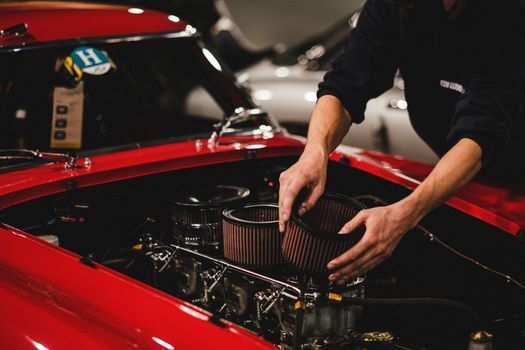
Not everyone is a mechanic, but some car maintenance tasks are genuinely easy. Here are the ones that will save you the most money:
- Air filter – Costs £8-£15 from Euro Car Parts. Takes 5 minutes. Garage will charge £30-£50 including parts and labour.
- Cabin pollen filter – Costs £10-£20. Takes 5-10 minutes behind the glove box. Garage charges £40-£60.
- Wiper blades – £10-£20 a pair. Push-button replacement, no tools needed. Garage charges £30-£50 fitted.
- Headlight bulbs – £5-£15 each. Usually tool-free, accessible from under the bonnet. Garage charges £15-£30 per bulb fitted.
- Battery – £60-£120 depending on the car. Usually just two bolts and a clip. Garage charges £120-£200 fitted. Many places like Halfords will test your battery for free.
YouTube is your best friend here. Search for “[your car model] replace [part name]” and you will find step-by-step videos for almost any car. For parts, Euro Car Parts, GSF Car Parts, and CarParts4Less (same company, often cheaper prices) are the go-to UK suppliers.
How to Handle MOT Failure Without Overpaying
If your car fails its MOT, do not panic and do not automatically say yes to the garage’s quote. Here is what to do:
- Get the VT30 failure certificate – it lists every advisory and failure point
- Ask for a written quote for all the work needed
- Ring 2-3 other garages for comparison quotes on the same work
- Check if any work is covered by warranty – some manufacturers offer extended warranties on specific components
- Get the work done within the retest window (usually 10 working days) to avoid paying for a full retest
- If you think the failure is unfair, you can appeal to the DVSA within 14 working days
Advisories are not fails. If the tester says something is “advisory” rather than a failure, it means it is worn but still legal. You do not have to fix it right away, but you should budget for it before the next MOT.
Government Schemes and Free Checks
There are a few free resources most drivers do not know about:
- Free MOT history check – Search by registration on gov.uk/check-mot-history to see every MOT your car has ever had, including mileage and failure reasons. Great for checking a used car before you buy.
- MOT reminder service – Sign up at gov.uk/get-mot-reminder to get a text or email 1 month before your MOT is due. Avoids the £1,000 fine for driving without an MOT.
- Tyre safety checks – National Tyres and Kwik Fit both offer free tyre checks. Useful if you are unsure about tread depth.
- Battery checks – Halfords offers free battery health checks. Takes 2 minutes and can warn you before a winter failure.
- Brake checks – Most national chains offer free brake inspections. If your brakes feel spongy or squeaky, get them checked rather than waiting for the MOT.
When to Fix and When to Replace
Sometimes the cheapest option is not repairing – it is replacing. Here is a rough guide:
- If annual repair bills exceed the car’s value, it is probably time to replace
- If a single repair costs more than 50% of the car’s value, consider scrapping
- Scrap value – even a non-running car is worth £100-£300 to a scrap dealer. Some collect for free. Search “scrap my car” for instant online quotes.
- Part-exchange – dealers will often give you more than scrap value on a part-ex, even for a car that needs work
Your MOT Money-Saving Checklist
- Book online for discount MOT deals (£25-£35 instead of £54.85)
- Consider a council MOT test centre for an unbiased test
- Do your own pre-MOT checks (lights, tyres, screenwash, wipers, horn)
- Replace simple parts yourself (bulbs, wipers, filters)
- Never automatically accept the first repair quote – ring around
- Use independent garages instead of main dealers for servicing
- Keep all service records to prove maintenance history
- Sign up for the free MOT reminder service at gov.uk
- Check your MOT history online before the test to spot recurring issues
- Get problems fixed early – advisories this year become failures next year
Follow these steps and you can realistically save £300-£500 a year on your MOT and car maintenance, without ever compromising on safety. The key is preparation: do your own checks before the test, compare quotes for repairs, and never assume the first price you are quoted is the best one.
For more money-saving tips on car costs, check out our guides on how to save money on car insurance and how to save money on petrol.