

Why Autumn Is the Best Time to Rethink Your Food Budget
Autumn is quietly one of the best seasons for saving money on food. The summer holidays are over, the back-to-school rush has settled, and supermarkets are shifting their stock to make room for winter ranges. That means clearance deals, seasonal produce at rock-bottom prices, and a natural opportunity to reset your weekly food budget after a summer of ice cream runs and barbecue supplies.
With food prices still a concern for many UK households in 2026, making a few smart changes to how you shop and cook this autumn could save you serious money over the season. Here is a practical guide to cutting your food costs without cutting corners on quality or nutrition.
Shop Seasonal: Autumn Produce Is Cheaper and Better
One of the easiest ways to save money on food is to eat what is in season. Autumn in the UK brings a bounty of affordable, nutrient-packed fruit and vegetables that cost a fraction of what imported summer produce costs at this time of year.
Best-Value Autumn Vegetables
- Root vegetables: Carrots, parsnips, swede, and turnips are cheap, filling, and versatile. A 1kg bag of carrots costs around 60p at most supermarkets.
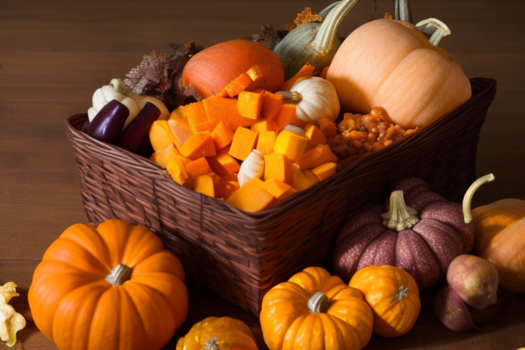
- Pumpkins and squash: Not just for Halloween – these are some of the most cost-effective vegetables you can buy in autumn. A medium butternut squash can form the base of three or four meals.
- Brassicas: Cabbage, cauliflower, Brussels sprouts, and kale are all at their best and cheapest in autumn. A whole cabbage costs under £1 and lasts for days.
- Leeks and onions: Essential for soups, stews, and pies, and plentiful in autumn.
Best-Value Autumn Fruit
- Apples: British apple varieties like Braeburn, Cox, and Bramley are abundant and cheap in autumn. Pick up a bag for under £1.50.
- Pears: Another UK-grown autumn fruit that is affordable and versatile for desserts and snacks.
- Blackberries: Free if you go foraging, and cheap in farm shops. Freeze them for winter smoothies and crumbles.
- Plums: In season through early autumn and often on promotion at supermarkets.
Batch Cook for the Week and Save Hours and Pounds
Batch cooking is the single most effective habit you can build this autumn. When the weather turns colder, hearty one-pot meals become the natural choice – and they happen to be the cheapest meals to make.
Set aside two hours on a Sunday to cook a large pot of soup, stew, chilli, or curry. Portion it into containers, freeze what you will not eat within three days, and you have ready-made lunches and dinners for the week.
Five-Autumn Batch Cook Ideas Under £1.50 Per Portion
- Lentil and vegetable soup: Use red lentils, carrots, onions, and stock. Costs roughly 40p per bowl.
- Sausage and root vegetable casserole: Budget sausages, parsnips, carrots, and gravy. Around £1.20 per portion.
- Butternut squash risotto: Squash, risotto rice, onion, and a small amount of parmesan. About £1.10 per serving.
- Vegetable chilli: Tinned beans, tomatoes, peppers, and spices. Roughly 70p per portion.
- Pumpkin and chickpea curry: Using tinned chickpeas and pumpkin or squash. Around 80p per serving.
You can find more batch cooking inspiration and budget recipe ideas on the Asda deals page and the Tesco deals page at freebies.co.uk.
Switch to Discount Supermarkets and Save 20-30%
If you are still doing your main shop at a mid-tier supermarket, switching to Aldi or Lidl could save you 20 to 30% on your weekly food bill. Both discounters have expanded their UK fresh produce ranges significantly in 2026, and their seasonal autumn selections are excellent.
A typical weekly shop for a family of four at a mid-tier supermarket costs around £90-£100. The same basket at Aldi or Lidl typically comes in at £65-£75. Over a 13-week autumn season, that is a saving of £325-£390.
You can check current offers and compare prices using the Aldi deals page and Lidl deals page on freebies.co.uk.
Use Yellow Sticker Timing to Your Advantage
Yellow sticker reductions are one of the best-kept open secrets in UK supermarkets. Most stores have a predictable schedule for when they mark down short-dated items, and if you time your visit right, you can pick up meat, bread, dairy, and ready meals for a fraction of the original price.
Typical Yellow Sticker Times by Supermarket
- Sainsbury’s: Late afternoon, around 5-6pm, with further reductions near closing time
- Tesco: Mid-morning for first reductions, then 6-7pm for deeper markdowns
- Asda: Usually 6-8pm, with the biggest discounts in the last hour before closing
- Morrisons: Early morning and late evening, depending on store location
- Marks and Spencer food halls: After 6pm, with items often reduced to 10p
Frozen yellow-sticker items keep for months. If you find reduced meat or bread, freeze it the same day and use it when you need it.
Plan Your Meals Around What You Already Have
Before you write a shopping list, do a full inventory of your fridge, freezer, and cupboards. Most UK households throw away roughly £700 of food a year, and a large portion of that is food that was bought but never used because it was hidden behind newer items.
Try this simple weekly routine:
- Check your fridge, freezer, and cupboards on the same day each week
- Write down everything you have that needs using up
- Plan two or three meals around those ingredients first
- Only then write a shopping list for the extras you need
- Stick to the list when you get to the shop
This approach alone can cut your weekly food spend by 15-20% because you are buying fewer duplicate items and wasting less.
Join Supermarket Loyalty Schemes for Extra Savings
Most major UK supermarkets now offer loyalty schemes that give you access to exclusive prices and personalised vouchers. In 2026, these schemes have become more generous as supermarkets compete for loyal customers.
- Tesco Clubcard: Unlocks Clubcard Prices on hundreds of products, often saving 10-15% on featured items. Check the Tesco deals page for current promotions.
- Sainsbury’s Nectar: Offers personalised deals based on your shopping habits, plus Nectar Prices on selected products.
- Boots Advantage Card: If you buy toiletries and household items at Boots, the Advantage Card gives 3 points per pound spent.
- Iceland Bonus Card: Gives you a free £1 for every £20 you save on the card, effectively a 5% bonus on your savings.
- Co-op Member Prices: Members get access to exclusive member-only prices across the store.
Buy Store Brands and Ignore the Fancy Packaging
The difference between a premium brand and a supermarket own-brand product is often just the packaging and the price. In many cases, the food is manufactured in the same factory.
UK supermarkets typically have three tiers of own-brand products:
- Value/basic range: The cheapest option, with simple packaging. Quality has improved dramatically in recent years.
- Standard own-brand: Often indistinguishable from branded equivalents. Usually 30-40% cheaper.
- Premium range: Positioning themselves as premium quality, but still cheaper than big-name brands.
Try swapping five branded items in your weekly shop for own-brand equivalents. If you cannot tell the difference, make the switch permanent. Most people save £5-£8 a week just from this simple change.
Use Cashback Apps on Top of Loyalty Schemes
Cashback apps like Shopmium, CheckoutSmart, and GreenJinn offer refunds on specific supermarket products each week. You buy the featured product, upload your receipt, and get cash back into your account.
These apps frequently feature new product launches and seasonal items, which means autumn product ranges will be well represented. You can sometimes get items completely free after cashback, especially on bakery and dairy products.
For more ways to stack savings, check the Amazon deals page and the Sainsbury’s deals page at freebies.co.uk for current offers.
Grow Your Own Autumn Vegetables – Even on a Windowsill
You do not need a garden to grow food. Autumn is a great time to start growing herbs and some vegetables indoors, and it can save you a surprising amount over the season.
- Herbs: Basil, chives, and parsley grow well on a sunny windowsill. A pack of seeds costs £1-£2 and gives you months of fresh herbs.
- Spring onions: Regrow from kitchen scraps by placing the root ends in water and replanting after a week.
- Microgreens: Ready to harvest in 10-14 days and packed with nutrients. A small tray on your windowsill can produce enough for several meals.
- Salad leaves: Cut-and-come-again varieties keep producing through autumn if kept in a bright spot.
Final Thoughts: Small Changes Add Up to Big Autumn Savings
You do not need to overhaul your entire shopping routine to see a difference. Pick two or three tips from this list and commit to them through autumn. Even saving £10 a week on your food shop adds up to £130 over the season – money that could go towards Christmas planning, an emergency fund, or simply breathing room in your weekly budget.
The key is consistency. Seasonal shopping, batch cooking, and using loyalty schemes are not one-off tricks. They are habits that build into permanent savings. Start this autumn and you will be in a stronger financial position by the time winter arrives.
For more money-saving tips and deals throughout the year, visit freebies.co.uk and browse the latest offers from your favourite retailers.