
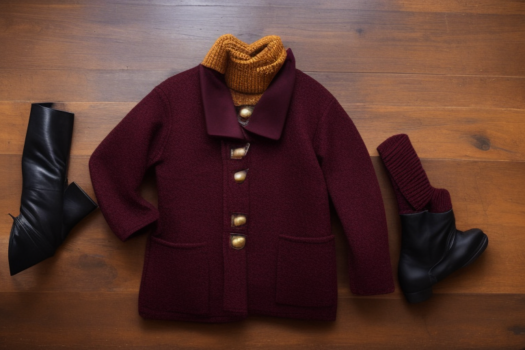
How to Save Money on UK Autumn Fashion 2026

Why Autumn Fashion Does Not Have to Break the Bank
Autumn is the season where wardrobe demands shift dramatically. The lightweight t-shirts and shorts of summer are packed away, replaced by coats, boots, knitwear, and layers. For many UK shoppers, this transition can feel like a mini shopping spree is unavoidable. But it absolutely is not.
With the right approach, you can build a stylish and practical autumn wardrobe for a fraction of what you might expect to spend. Whether you are refreshing your look for work, preparing for cooler school runs, or just want to feel put-together without the price tag, this guide walks you through every way to save on autumn fashion in the UK in 2026.
The Real Cost of an Autumn Wardrobe Refresh
Let us start by understanding what people typically spend. A full autumn wardrobe refresh in the UK can easily cost between £200 and £500 if you are shopping at mid-range high street stores. Here is how that breaks down:
- Coat or jacket: £60 to £150
- Boots or weatherproof shoes: £50 to £120
- Knitwear (two or three pieces): £40 to £90
- Trousers and jeans: £40 to £80
- Base layers and tops: £30 to £60
- Accessories (scarves, gloves, hats): £15 to £40
That is a lot of money to find in a single month, especially with the cost of living still pinching. The good news is that you can cut most of these costs by half or more with a few smart strategies.
Start With What You Already Own
Before you buy anything, audit your existing wardrobe. Pull out everything that is suitable for autumn and lay it out so you can see exactly what you have. You will almost certainly find that you own more than you think.
Check for Forgotten Pieces
Look at the back of your wardrobe and in storage boxes. That coat you bought last October but forgot about? The boots that only need a new heel? The jumper your aunt knitted that is actually quite nice once you pair it properly? All of these count towards your autumn wardrobe without spending a penny.
Make a list of what you already have and identify the genuine gaps. You might discover you only need one or two items rather than a whole new wardrobe.
Repair and Refresh
A loose button, a broken zip, or a small hole should not mean the end of a garment. Basic repairs take minutes and cost pennies. A tube of fabric glue costs around £3 and can fix fraying hems. Replacement buttons from charity shops or haberdashery stalls cost 10p to 50p each. If you have boots that need reheeling, a local cobbler will usually charge £8 to £15, which is far cheaper than buying new.
Washing items correctly can also bring them back to life. Wool jumpers that have gone bobbly can be depilled with a cheap fabric shaver (around £5) and look brand new again.
Shop Second-Hand First
Charity shops, vintage stores, and online resale platforms are the single best way to save money on autumn fashion. The UK has one of the best second-hand markets in the world, and autumn is the perfect time to take advantage of it.
Charity Shops in Affluent Areas
If you live near or can travel to a more affluent area, the charity shops there often stock high-quality donations at bargain prices. A wool coat from M&S or Next that originally cost £120 might be sitting on the rail for £15. Leather boots in excellent condition can be found for £10 to £20. The key is to visit regularly, as stock changes daily, and to go early in the week when weekend donations have been put out.
Online Resale Platforms
Vinted, eBay, and Depop are excellent for autumn fashion. Search for specific brands and filter by condition and your size. Many sellers list bundles, where you can buy multiple items for less than the cost of one new piece. A bundle of three autumn tops might cost £15 including postage, compared to £45 new on the high street.
When shopping online, always check the photos carefully, read the descriptions, and look at the seller’s ratings. Stick to listing that show the actual item rather than stock photos.
Car Boot Sales and Vintage Fairs
Autumn car boot sales and vintage fairs are treasure troves for clothing. You can often pick up genuine leather belts, wool scarves, and vintage knitwear for £1 to £5 per item. Vintage fairs sometimes have a small entry fee, but the quality of stock makes it worthwhile. Look for events in your local area on Facebook or community noticeboards.
Time Your Purchases Around Sales
If you do need to buy new, timing is everything. The UK retail calendar has predictable sale periods that can save you 30% to 70% on autumn fashion.
End-of-Summer Clearances
From late August through early September, retailers clear out summer stock to make room for autumn collections. This is when you can pick up transitional pieces like lightweight jackets, long-sleeve t-shirts, and jeans at heavily reduced prices. Check the Marks and Spencer deals page and the Next deals page on Freebies.co.uk for the latest reductions.
Black Friday and Pre-Christmas Sales
Black Friday in late November is one of the best times to buy winter coats, boots, and knitwear. Many retailers offer 30% to 50% off across their entire range. Last year, retailers like ASOS, Boohoo, and MandM Direct ran multi-day sales with extra discount codes stacked on top of sale prices. Check the Amazon UK deals page for flash deals on footwear and outerwear.
January Sales for Next Year
If you have the storage space, buying coats and boots in the January sales for the following autumn is a smart move. Prices are often lower than at any other time of year as retailers clear winter stock completely. You can find quality winter coats for £25 to £40 that would have been £80 to £120 in October.
Choose Versatile Pieces Over Trends
One of the biggest mistakes people make with autumn fashion is buying trend-led pieces that will look dated by next year. Instead, focus on versatile basics that work across multiple outfits and last for several seasons.
Build a Capsule Wardrobe
A capsule wardrobe is a small collection of interchangeable pieces that all work together. For autumn, a practical capsule might include:
- One warm coat in a neutral colour (black, navy, or camel)
- Two pairs of trousers or jeans in different styles
- Three tops that layer well (a white shirt, a fine-knit jumper, and a long-sleeve t-shirt)
- One pair of versatile boots
- One scarf and one pair of gloves
With these pieces, you can create dozens of outfit combinations. Everything mixes and matches, which means you get more wear out of each item. This approach also makes shopping easier because you know exactly what you need and will not be tempted by impulse purchases.
Stick to a Colour Palette
Choosing a consistent colour palette for your autumn wardrobe means every piece works with every other piece. Neutrals like black, grey, navy, and cream are timeless and easy to find in sales. If you want colour, pick one or two accent shades and keep the rest neutral. This strategy reduces the number of items you need and prevents the “nothing goes with anything” problem.
Use Cashback and Discount Codes
Never check out online without looking for a discount code or activating your cashback. These two steps take seconds and can save you 5% to 20% on every purchase.
Sign up to cashback sites like TopCashback and Quidco and click through to your retailer from their site. For autumn fashion, typical cashback rates range from 3% to 12%. On a £100 order, that is £3 to £12 back in your account.
For discount codes, always check the retailer’s page on Freebies.co.uk before you shop. The ASOS deals page and the H and M deals page are regularly updated with promo codes, student discounts, and free delivery offers.
Rent or Swap for Occasions
If you have an autumn event like a wedding, party, or work conference and need something special, do not buy a new outfit you will only wear once. Clothing rental services like HURR and By Rotation offer designer autumn pieces for £20 to £60 per rental. You get the look without the commitment.
Clothing swaps are another option. Organise a swap with friends or attend a public swap event in your area. Everyone brings clean, good-condition items they no longer wear and takes home new-to-them pieces. It is completely free and a great way to refresh your autumn wardrobe socially.
Take Care of What You Buy
The cheapest wardrobe is the one you do not have to replace. Looking after your autumn clothes properly extends their lifespan and saves you money year after year.
- Wash wool at 30 degrees on a wool cycle to prevent shrinking and pilling
- Air dry knitwear flat rather than hanging, which stretches it out of shape
- Use shoe trees in boots to maintain their shape and absorb moisture
- Waterproof coats and boots annually with a spray protector (around £8 a can)
- Store coats on proper hangers rather than folding them, to avoid creases and misshaping
These small habits cost very little but can add years to the life of your clothing.
Conclusion
Refreshing your wardrobe for autumn 2026 does not require a huge budget. By shopping second-hand first, timing your new purchases around sales, choosing versatile pieces, and taking care of what you own, you can look stylish and stay warm for a fraction of the typical cost. The key is to plan ahead, avoid impulse buys, and make the most of the deals and discounts available through Freebies.co.uk.
Start with what you have, fill the gaps smartly, and remember that good style is about how you put outfits together, not how much you spend on each piece.

