
 Dr Mobeus
Glastonbury tickets cost £355 plus booking fees. Reading will set you back £285. Download is £290 for the weekend. These are the headline-grabbing prices that make festival season feel out of reach for a lot of people in 2026.
But while everyone is fighting for tickets to the big names, a quiet revolution has been happening in fields and village greens across the UK. Small and independent festivals have been growing in number, quality, and ambition. Many now offer lineups that rival the majors at a fraction of the price, without the six-hour traffic queues and £12 burger vans.
So is it time to skip the mega-festivals and go small instead? Let us compare them properly across the things that matter: cost, music, atmosphere, facilities, and overall value for money.
Ticket Prices – The Biggest Difference
Price is where small festivals win immediately and decisively. Here is a comparison of typical 2026 weekend ticket prices:
Major Festivals (Weekend Tickets)
- Glastonbury: £355 + £5 booking fee = £360
- Reading/Leeds: £285 + booking fee
- Download: £290 + booking fee
- Isle of Wight: £220 + booking fee
- Latitude: £210 + booking fee
- Kendal Calling: £180 + booking fee
Small and Independent Festivals (Weekend Tickets)
- Shambala: £180-195 (no booking fee, profit shared with charities)
- Green Man: £170-185
- End of the Road: £175-190
- Deer Shed Festival (Yorkshire): £160-175
- Just So Festival (Cheshire): £150-165
- Cloud Cuckoo Land (Somerset): £140-160
- Many smaller local festivals: £50-120 for the weekend
The average small festival weekend ticket is around £160. The average major festival weekend ticket is around £280. That is a £120 saving per person before you have even arrived at the gate.
For a family of four, the difference is even more stark. Four tickets to Latitude cost £840. Four tickets to Deer Shed cost around £640. And many small festivals offer free or heavily discounted tickets for children under 12, while the majors charge full price from age 5 or 10 upwards.
The Music – Do You Get What You Pay For?
This is where the comparison gets interesting. Big festivals have bigger headliners, but small festivals often have more interesting and diverse lineups if you know where to look.
What Big Festivals Do Better
- Headline acts: Glastonbury gives you Coldplay, Dua Lipa, and SZA on the same weekend. Small festivals cannot compete with that level of star power.
- Scale and spectacle: The Pyramid Stage at Glastonbury is an experience in itself. The sound systems, light shows, and production values at major festivals are genuinely impressive.
- Multiple massive stages: Big festivals have 50+ stages and areas. You will never run out of things to see.
- Buzz and atmosphere: There is something special about being at Glastonbury with 200,000 people. The collective energy is unmatched.
What Small Festivals Do Better
- Discovery: Small festivals are where you find your new favourite band. The booking teams at festivals like Green Man and End of the Road are renowned for curating lineups that introduce you to artists you would never otherwise encounter.
- Less scheduling clashes: At a big festival, you will inevitably have two favourite bands playing at the same time on opposite sides of the site. Small festivals usually have fewer overlapping sets, so you can see more of the lineup.
- Closer to the music: At a small festival, you can walk up to the front of the main stage at any time without needing to queue for an hour. The barrier is rarely more than 3 people deep.
- Artist access: At small festivals, the performers often wander the site like everyone else. You can have a chat with the drummer from the band you just watched while queueing for a coffee.
- Better sound quality: Smaller stages in smaller fields often mean cleaner, less muddy sound than the massive sound systems needed to cover 100,000 people.
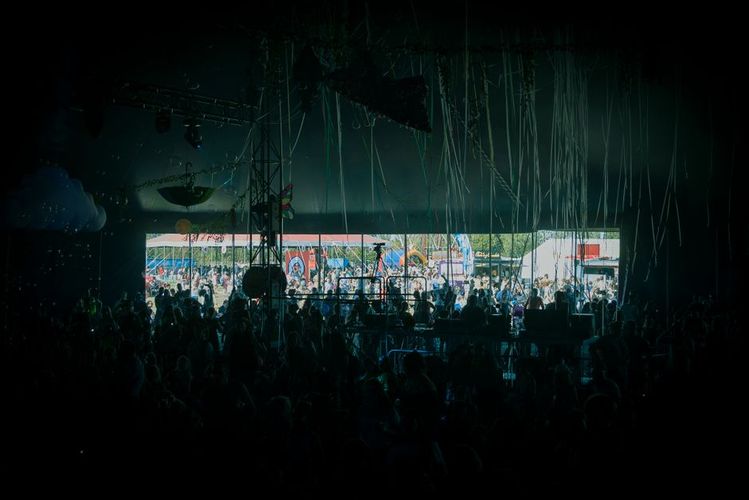
The music quality at a good small festival is not worse than a big one – it is just different. If you want to see the biggest bands in the world, go big. If you want to discover new music and have a more intimate experience, go small.
On-Site Costs – Food, Drink, and Extras
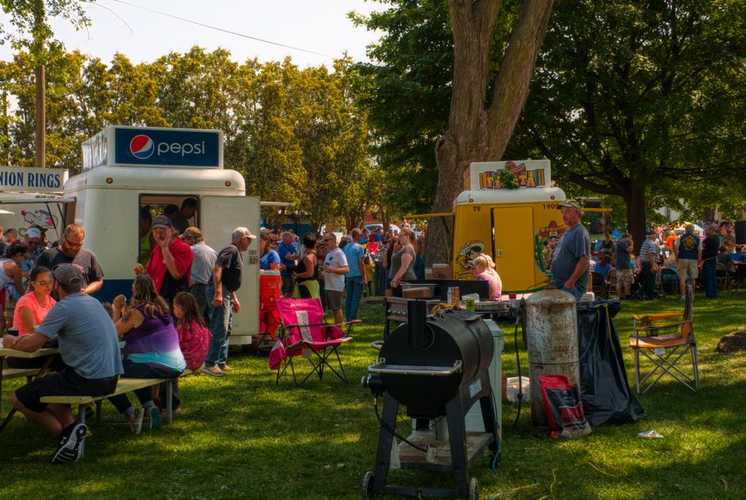
This is where small festivals pull further ahead. The cost of everything once you are inside the gates is significantly lower at independent events.
Food and Drink Price Comparison
- Big festival main meal: £10-15. A burger and chips at Reading is around £12. A pizza at Glastonbury is £14.
- Small festival main meal: £7-10. Many small festivals have local food traders who charge normal-ish prices. A curry at Shambala is £8. A wood-fired pizza at Green Man is £9.
- Big festival pint: £6-7. A pint of lager at most major festivals is £6.50+.
- Small festival pint: £4.50-5.50. Many independent festivals have local breweries supplying beer at near-pub prices.
- Big festival coffee: £4-5.
- Small festival coffee: £3-3.50.
Over a weekend, the difference adds up. If you buy 3 meals, 6 pints, and 4 coffees across the weekend, that is roughly £85 at a big festival versus £55 at a small one. Another £30 saved.
Other On-Site Costs
- Big festivals: £2-3 for a programme, £15-25 for a power bank charger, £10-20 for fairground rides, £5 for a locker
- Small festivals: Programmes are often free, charging points are usually provided at no cost, activities and workshops are included in the ticket price
Small festivals tend to include more in the ticket price. Workshops, talks, comedy, cinema, and activities that cost extra at big festivals are often free at small ones.
Atmosphere and Experience
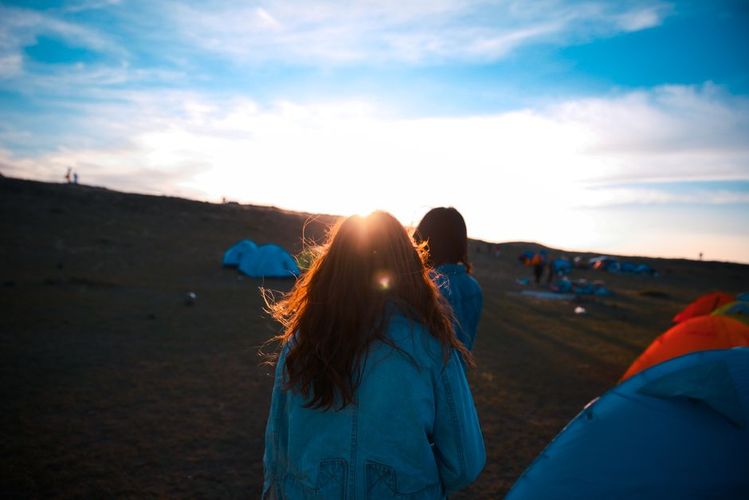
This is subjective, but it is one of the most important factors. The vibe at a 5,000-person festival is fundamentally different from a 150,000-person one.
Small Festival Advantages
- Community feel: You recognise people by day two. The festival feels like a temporary village rather than a small city.
- Safe and relaxed: Crime at small festivals is extremely low. The atmosphere is generally friendlier and less chaotic.
- No massive crowds: You do not spend half your day navigating through wall-to-wall people. Walking from stage to stage takes 5 minutes, not 30.
- Family-friendly: Small festivals are often designed with families in mind. Deer Shed, Just So, and Camp Bestival all have extensive kids’ programmes that are better than anything the big festivals offer.
- Less corporate: You will not see a stage sponsored by a mobile phone company or a bank. The branding is minimal and the focus is on the experience.
- Shorter queues: For the bar, for food, for the toilets, for entry and exit. Everything is quicker.
Big Festival Advantages
- Scale and spectacle: Glastonbury at night with 200,000 people is breathtaking. The sheer size of the event creates moments that cannot happen at a small festival.
- More going on: With 50+ stages and thousands of performers, there is always something happening. You will never be bored.
- Iconic moments: Seeing a headline act on the Pyramid Stage or Main Stage at Reading is a memory that stays with you.
- Better known for a reason: The big festivals are big because they are genuinely excellent at what they do.
Facilities and Camping
Big festivals have had to up their game on facilities in recent years, but small festivals still generally offer a better basic experience.
Camping
- Big festivals: Massive crowded campsites. You may be pitched a 20-minute walk from the arena. Getting out on Monday morning can take 3-4 hours of traffic.
- Small festivals: Camping is usually close to the action. At Deer Shed, the campsite is a 5-minute walk to the main stage. At Shambala, you can choose from several camping areas, all within 10 minutes of the action. Exit on Monday is typically under 30 minutes.
Toilets and Showers
- Big festivals: Portaloos are the standard. Long queues at peak times. Showers are often £5-10 extra. Glastonbury has improved significantly with more compost loos, but it is still a challenge.
- Small festivals: Many independent festivals have invested in proper toilet blocks, compost loos, and even proper showers. Shambala has spa-style showers. Green Man has clean, well-maintained facilities with much shorter queues.
Phone Signal and Wi-Fi
- Big festivals: Networks get overwhelmed. Expect no signal for large parts of the day at Glastonbury.
- Small festivals: Smaller crowds mean signal is usually fine. Some festivals offer free Wi-Fi in certain areas.
Travel and Accessibility
Getting to a big festival is often the most stressful part of the whole experience.
- Big festival travel: Traffic queues of 4-6 hours are common on arrival day at Glastonbury, Reading, and Download. Train services to festival stations are overcrowded and sometimes require booked tickets months in advance.
- Small festival travel: Most small festivals are in accessible rural locations with manageable traffic. You can usually arrive on Friday afternoon and be pitched within an hour. Many are near train stations with shuttle bus services.
Travel costs are also lower for small festivals. Big festivals often require long-distance travel, overnight stops, or expensive coach packages. Small festivals are usually within a 2-hour drive for most people, meaning a single tank of petrol split between 4 people.
The Total Cost Comparison
Here is a realistic weekend budget for two people at a big festival versus a small festival in 2026:
Big Festival (e.g. Reading)
- 2 x tickets: £580
- Travel (train + shuttle): £120
- Food and drink on site: £170
- Camping gear (if new): £80
- Extras (merch, rides, locker, etc.): £50
- Total: £1,000
Small Festival (e.g. Green Man)
- 2 x tickets: £360
- Travel (shared car, petrol): £40
- Food and drink on site: £110
- Camping gear (if new): £80
- Extras: £20
- Total: £610
That is a £390 saving for two people. For a family of four, the saving could be £600-800.
Over a summer where you might attend two festivals, choosing small over big could save you nearly £800. That is a holiday abroad, or several months of grocery shopping, or a very healthy savings buffer.
When a Big Festival Is Worth It
This is not a one-sided argument. Big festivals are worth the money in certain situations:
- Bucket list: If you have always wanted to go to Glastonbury, do it at least once. The experience is genuinely unique and cannot be replicated at a smaller event.
- Specific headliner: If your favourite artist is headlining Reading and you cannot see them anywhere else, the ticket price is worth it to you.
- The spectacle: If you love the chaos, the crowds, and the scale of a massive event, a small festival will not satisfy that craving.
- Group of friends: Big festivals are brilliant for large groups. The size means there is always something for everyone, and the group can split up and reconvene easily.
When a Small Festival Is the Better Choice
- Budget is the priority: If you want a festival experience without spending £500+, small festivals are the answer.
- Families with young children: The facilities, programming, and atmosphere at family-focused small festivals are far superior.
- You want to discover new music: Small festivals are curated by people who care about the lineup, not by booking agents chasing the biggest names.
- You hate crowds and queues: If the idea of 200,000 people fills you with dread rather than excitement, a 5,000-person festival is your sweet spot.
- You want a relaxed weekend: Small festivals feel like a holiday. Big festivals can feel like an endurance event.
- You care about sustainability: Small festivals generally have a much smaller environmental footprint. Shambala is plastic-free and runs on renewable energy. Green Man has won multiple awards for its environmental practices.
Five Small UK Festivals Worth Your Money in 2026
If you are convinced and want to try a small festival this summer, here are five excellent options:
- Shambala (Northamptonshire, August): The gold standard for independent festivals. No corporate sponsors, incredible music across 12 stages, and a genuinely magical atmosphere. Tickets around £195.
- Green Man (Brecon Beacons, August): Set in stunning Welsh mountains. Excellent indie and folk lineup, great food, and one of the most beautiful festival settings in the UK. Tickets around £185.
- End of the Road (Wiltshire, September): A music lover’s festival. Carefully curated lineup, beautiful gardens, and a relaxed, civilised atmosphere. Tickets around £190.
- Deer Shed (North Yorkshire, July): Family-friendly with a fantastic music lineup, science talks, and kids’ activities. Tickets around £175.
- Just So (Cheshire, August): A wonderland for families. Immersive theatre, music, storytelling, and a weekend that feels like stepping into a storybook. Tickets around £165.
The Verdict
Big festivals and small festivals serve different purposes. Big festivals give you spectacle, scale, and the biggest names in music. Small festivals give you better value, better atmosphere, and often a more memorable experience overall.
If you can only afford one festival this summer, a small independent event will give you more for your money. You will see great music, eat decent food at reasonable prices, avoid the worst of the crowds, and come home with money still in your bank account.
If you can afford both, do one of each. Use the big festival for the spectacle and the small one for the soul. That is the ideal 2026 festival strategy.
For more festival money-saving tips, check out our complete guide to saving money on festival season and our round-up of free music events and festivals in the UK this summer. Looking for broader summer savings? See our 50 free and cheap summer ideas and our tips on cutting your summer electricity bill.