Small Festivals vs Big Festivals – Are Independent Events the Better Choice in 2026?

Glastonbury tickets hit £378 this year. Reading and Leeds will set you back £325. Add camping, travel, food and a few pints, and a single festival weekend can easily top £600.
That is not a festival ticket anymore. That is a holiday abroad.
So the question plenty of people are asking: are the big festivals still worth it, or do small independent festivals make a lot more sense?
The answer is more complicated than you might think.
## The Real Cost of Big UK Festivals
Let’s be honest about what a major festival actually costs, because the ticket price is just the start.
Glastonbury 2025
– Weekend ticket: £373.50 + £5 booking fee = £378.50
– But Glastonbury is fallow in 2026, so the next one is 2027
– Add travel (£50-150), food (£80-120 over 5 days), drink (£60-100), camping gear (£30-80 if you need it)
– Total: £600-800+
Reading and Leeds 2025
– Weekend ticket: £325
– Add travel, food, drink, camping
– Total: £500-700
Download 2025
– Weekend ticket: around £280
– Add the usual extras
– Total: £450-600
Parklife 2025
– Day ticket: around £89
– But it’s a day event, so no camping costs
– Total with travel and food: £130-180
BBC analysis found that major festival ticket prices have risen well above inflation over the past decade. Reading and Leeds tickets cost £80 more in real terms than they did in 2007. Glastonbury is up around 30% in real terms since 2013. These are not just inflation-driven price hikes. Festivals are charging more because they can.
## The Small Festival Alternative
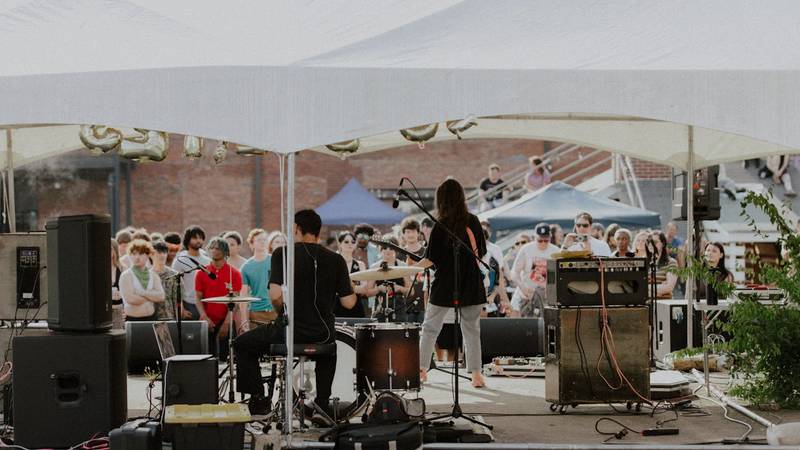
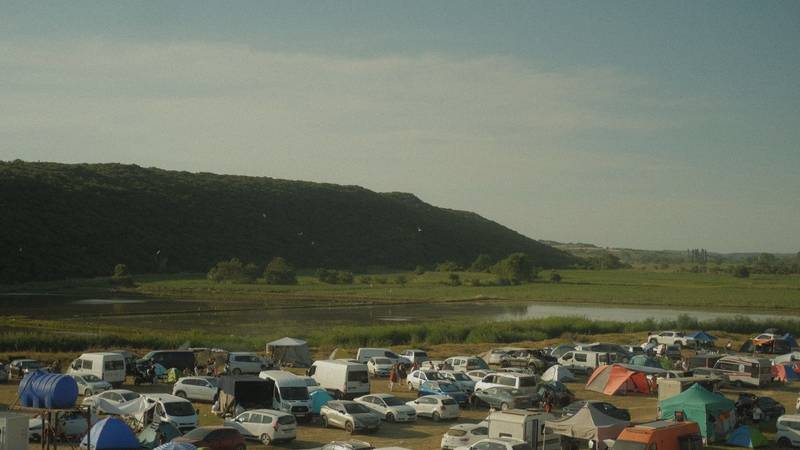
Here is the good news: the UK has an incredible range of small independent festivals that cost a fraction of the big names and often deliver a better experience.
Under £100 for the whole weekend:
– 2000trees Festival (Gloucestershire) – around £95-110 for a weekend with camping. Alternative and indie rock in a beautiful farm setting. Three days of music works out at roughly £33 per day.
– Truck Festival (Oxfordshire) – around £85-100 weekend. Boutique indie festival with a genuine community feel. Excellent value per day.
– Beat-Herder (Lancashire) – around £85-110 weekend. Underground electronic music in the Lancashire countryside. Camping included, proper northern vibe.
Under £150 for the weekend:
– Kendal Calling (Cumbria) – around £105 weekend. Folk, indie and world music in the stunning Lake District.
– End of the Road (Dorset) – around £115 weekend. Curated, intimate, beautiful gardens. A music lover’s festival.
– Green Man (Wales) – around £125 weekend. Folk and indie in the Brecon Beacons. Woodland stages, bonfires, proper magical atmosphere.
– Shambala (Northamptonshire) – around £130 weekend. No headline acts, no corporate sponsors. Just brilliant music, art and wild energy in a forest.
– Camp Bestival (Dorset) – around £95 weekend. Family-friendly with circus performances, kids’ zones and beach access.
Under £50 for a day:
– Dot to Dot Festival (Bristol, Nottingham, Manchester) – around £35-45. Multi-venue city festival showcasing emerging acts.
– Live at Leeds / Live at Manchester – around £35-45. 100+ acts across multiple venues in one day. No camping needed.
## The Value Question: Is Cheaper Actually Better?
This is where it gets interesting. The BBC analysis pointed out something that surprises a lot of people: Glastonbury at £375 for four full days of music works out at roughly £93 per day. Reading at £325 for three days is about £108 per day.
A small festival at £100 for three days is £33 per day.
But cost per day of music is only part of the picture. Here is what small festivals genuinely do better:
Atmosphere. No 200,000-person queues for the toilets. No half-hour walk between stages. Small festivals feel like a village, not a city. You can actually find your mates.
Discovery. Big festivals book the acts you already know. Small festivals book the acts you will be raving about next year. Going to 2000trees or End of the Road means seeing artists before they hit the main stages at Reading.
No corporate feel. Many small festivals are genuinely independent. No walk-through branding, no £8 pints pushed by sponsors, no feeling like you are walking through a giant advert.
Community. At a 5,000-person festival, you recognise faces by day two. At Glastonbury, you will never see the same person twice.
Camping that is actually enjoyable. Small festivals mean short walks from car to camp, space between tents, and neighbours you can chat to instead of being packed in like sardines.

## What Big Festivals Still Do Better
Fairness matters here. Big festivals have advantages too:
Scale of spectacle. Glastonbury’s Pyramid Stage at sunset is genuinely one of the greatest live music experiences in the world. Small festivals cannot replicate that scale.
Line-up depth. When a big festival books 100+ acts including global headliners, the sheer volume of choice is unmatched. You can see acts from six different genres in one afternoon.
Infrastructure. Big festivals have proper phone charging, better sound systems, more food options, and more investment in the site.
The bucket list factor. Some festivals are worth doing once just to say you have done them. Glastonbury is on that list for a reason.
## The Inflation Problem
Here is the uncomfortable truth: inflation has hit small festivals too.
Beer at a small festival is still £6-8 a pint. Food vans charge £10-15 for a meal, same as the big ones. Camping gear costs the same whether you are at a 5,000-person festival or a 200,000-person one. And travel costs have gone up for everyone.
The difference is that your total spend is still dramatically lower because the ticket is cheaper and you need fewer extras. A £100 weekend ticket plus £100 on food, drink and travel is £200 total. Compare that to £325 plus £250 extras for Reading. You are saving well over £300.
Small festivals have also been hit by rising costs for security, insurance, staff wages and equipment hire. Some have raised prices by 15-25% since 2019. But because they started from a lower base, the absolute increase is still smaller than at the major festivals.
## So Which Should You Choose?
Choose a small festival if:
– You want a full weekend experience for under £200 total
– You prefer discovering new music over seeing established headliners
– You value atmosphere and community over spectacle
– You are on a budget but still want a proper festival experience
– You hate queues, crowds and corporate branding
Choose a big festival if:
– You want to see specific headliners or bucket-list acts
– You are going with a large group and want the infrastructure
– You value the sheer scale and spectacle
– You can afford the £500-800 total cost without stress
– It is a one-off or special occasion
The smartest approach? Do one small festival a year as your regular, and save the big one for a treat every few years. You get the best of both worlds without destroying your bank account every summer.
## Top Tips for Festival Season on a Budget
Whatever size festival you pick, these tips will save you money:
1. Buy early bird tickets. Most festivals release cheaper tickets 6-8 months before the event. Sign up to mailing lists and buy as early as you can.
2. Pay in installments. Most festivals now offer payment plans. It does not save you money overall, but it spreads the cost so you are not hit with one massive payment.
3. Bring your own food and drink. Even small festivals charge premium prices on site. A cool bag of breakfast items, snacks and pre-mixed drinks saves £50+ over a weekend.
4. Share travel. Car share with other festival-goers. Split petrol and parking costs.
5. Borrow, do not buy, camping gear. Everyone has a tent in their loft. Ask around before buying new kit.
6. Look for local festivals. The cheapest festival of all is one you can walk to. Search “[your town] festival 2026” and you might be surprised what is on your doorstep.
7. Volunteer. Oxfam, WaterAid and other charities offer free festival entry in exchange for stewarding shifts. You work half the time and get the rest free.
## The Bottom Line
Big festivals have become genuinely expensive. £325 for a ticket before you have bought a single pint or pitched a tent is a lot of money. And prices are rising faster than inflation, which means festivals are becoming a luxury, not a normal part of summer.
Small independent festivals are not immune to rising costs, but they remain dramatically better value. You can have an incredible weekend for £200 total at a small festival – less than half the cost of Reading.
The UK has one of the best small festival scenes in the world. 2000trees, Beat-Herder, End of the Road, Shambala – these are not “budget alternatives.” They are brilliant festivals in their own right that happen to cost half the price.
So yes, small festivals make more sense for most people, most of the time. Save the big ones for when you really want to go all out.
Found this useful? Share it with someone who needs a festival reality check. And check back regularly for the latest deals, freebies and money-saving tips at freebies.co.uk.