
 Dr Mobeus
Is Growing Your Own Veg Really Cheaper?
Let us be honest: growing your own vegetables is not automatically cheaper than buying them. If you buy a £200 raised bed kit, £40 of specialist compost, and £15 of seeds from the garden centre, you will need to harvest a lot of carrots to break even.
But if you do it smart – using containers you already have, starting from seed, and focusing on high-value crops – a vegetable garden can save you serious money. A £3 packet of tomato seeds produces £30-50 worth of tomatoes over a summer. A £2 packet of lettuce seeds gives you months of salads that would cost £15-20 from the supermarket.
This guide shows you how to set up a productive vegetable garden for under £20, with no specialist equipment and no prior gardening experience needed.
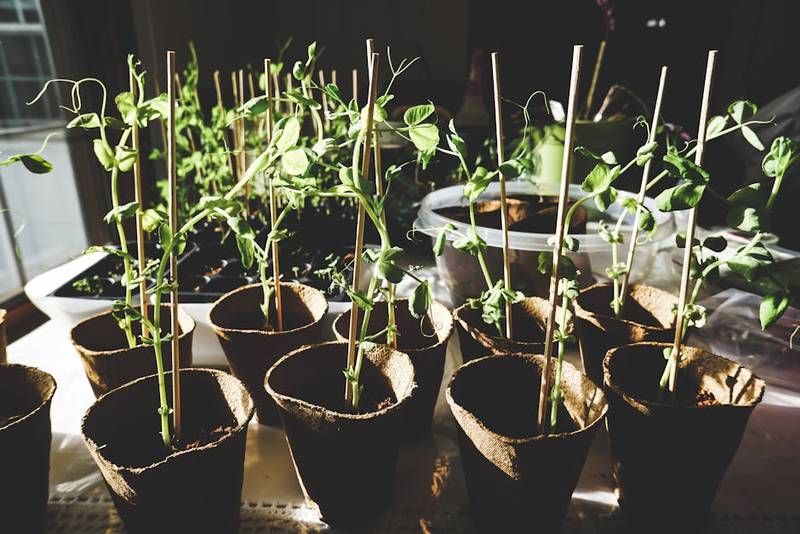
What You Actually Need to Get Started
A lot of gardening advice assumes you have a shed full of tools and a large plot. You do not need any of that. Here is the honest minimum:
- Containers or ground space: Pots, buckets, or a small patch of soil – see below for free options
- Compost or soil: One or two bags to get started – £3-6 each from B&Q, or free if you make your own
- Seeds: £2-3 per packet, and you will not use them all in one season
- Water: Tap water is fine. A watering can helps but a plastic bottle with holes in the lid works.
- Sunlight: 4-6 hours a day is enough for most crops
That is it. No raised bed kits, no specialist fertilisers, no grow lights, no heated propagators. Seeds want to grow. You just need to give them somewhere to do it.
Free and Cheap Containers
Before you buy any pots, look around your house. You probably already have containers that work perfectly for growing vegetables:
- Plastic flower buckets from supermarkets: Morrisons, Tesco, and Aldi sell cut flowers in thick plastic buckets. Ask at the flower counter and they will often give you them for free. They already have drainage holes and are perfect for tomatoes, potatoes, and salad leaves.
- Old buckets: Any bucket with a few drainage holes drilled in the bottom works. Check your shed, ask on Freecycle, or buy new for £1-2 from pound shops.
- Grow bags: £2-3 from garden centres or B&Q. Each one grows 2-3 tomato plants or 1 courgette plant.
- Wooden crates: Fruit and veg shops often give these away. Line with a bin bag (with drainage holes) and fill with compost.
- Old sinks and troughs: Freecycle and Facebook Marketplace are full of them. They make brilliant planters.
- Carrier bags: Yes, really. A sturdy carrier bag with drainage holes grows potatoes surprisingly well. Not pretty, but it works.
- Toilet roll tubes: Perfect for starting seedlings. Stand them in a tray, fill with compost, plant one seed per tube, and plant the whole tube outside – it decomposes naturally.
The point is: you do not need to buy decorative planters. Vegetables do not care what they are growing in, as long as it holds compost and drains water.
Getting Seeds for Free or Nearly Free
Seeds are where most beginners overspend. A trip to the garden centre for 6 packets of seeds costs £12-18. Here is how to do it for a fraction of that:
Seed Swap Groups
Search Facebook for “seed swap UK” or “garden seed swap” and you will find dozens of groups where gardeners exchange seeds for the cost of a stamp. Many people have half-used packets they are happy to give away. Post what you are looking for and someone will probably offer it.
Supermarket Seeds
Aldi, Lidl, and Wilko sell seeds for £1-1.50 per packet from January to April. These are perfectly good quality – often the same varieties as the £3-4 branded packets. Stock up early because they sell out fast.
Library Seed Banks
Some UK libraries now run seed libraries where you can borrow seeds for free, grow your crop, and return some saved seeds at the end of the season. Search “seed library UK” to find one near you.
Save Your Own Seeds
Once you have grown something, save the seeds for next year. Tomatoes, peppers, peas, beans, and lettuce all produce seeds you can dry and store. It takes a bit of learning but it means your second year of growing costs even less than your first.
Use Supermarket Veg as Seed
Some supermarket vegetables will regrow if you plant them:
- Spring onions: Put the root end in water and it will regrow in days. Plant in soil after a week.
- Celery: Cut the base off and sit it in shallow water. New growth appears within days.
- Lettuce: The base of a lettuce will regrow new leaves in water.
- Potatoes: Any potato that has started sprouting (chitting) can be planted. Do not buy “seed potatoes” from a garden centre – any sprouting spud works.
- Garlic: Break a bulb into cloves and plant each clove point-up. One bulb becomes ten.
This is not a hack or a cheat – it is how humans have propagated vegetables for thousands of years.
The Best Crops for Beginners on a Budget
Not all vegetables are worth growing. Some (like maincrop potatoes and onions) are so cheap in the shops that the savings are minimal. Focus on crops that are expensive to buy but easy to grow:
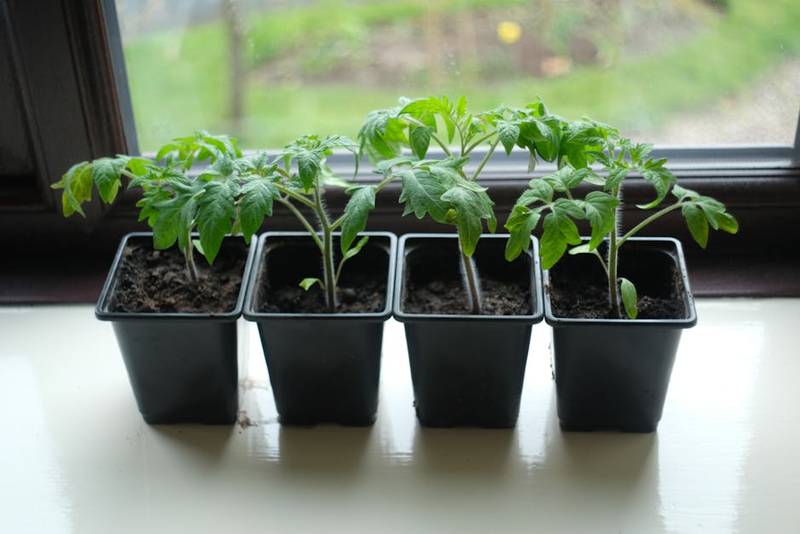
Top 5 Crops for Value
- Tomatoes: A £3 packet of seeds grows 20-30 plants producing £60-100 worth of tomatoes. Grown in any container in a sunny spot. Start indoors in March-April, move outside in late May.
- Salad leaves: Mixed lettuce, rocket, and spinach cost £1-2 per small bag in the supermarket. A £2 packet of seeds gives you months of daily pickings. Cut-and-come-again varieties regrow after each harvest.
- Herbs: A pot of fresh basil from Tesco costs £1.50. A £2 packet of seeds grows enough basil to make pesto for the entire summer. Mint, chives, parsley, and coriander are equally easy and equally overpriced in the shops.
- Courgettes: One courgette plant produces 15-30 courgettes over a summer. At £1-2 for two in the supermarket, that is £15-30 worth from one plant. They are practically indestructible.
- Potatoes in bags: Growing potatoes in a bag or bucket is incredibly satisfying. One seed potato (or sprouting supermarket potato) produces 1-2kg of new potatoes. The taste of home-grown potatoes, dug up and cooked the same day, is genuinely different.
Crops to Skip (Not Worth the Space or Effort)
- Maincrop potatoes: Cheap in shops, take up a lot of space. Only grow early varieties for the taste difference.
- Onions and garlic: Very cheap to buy, and home-grown ones are not noticeably better.
- Carrots: Need deep, stone-free soil. Tricky for beginners and cheap to buy.
- Cabbage: Takes months, takes up loads of space, and is cheap as chips in the shops.
- Brussels sprouts: Take up space for 6 months for a vegetable most people only eat at Christmas.
A Simple £20 Starter Plan
Here is a complete starter garden for under £20:
- 2 grow bags (for tomatoes) – £4 from B&Q
- 4 flower buckets (free from Morrisons or Tesco)
- 2 bags of multipurpose compost – £6-8
- Tomato seeds (1 packet) – £1.50 from Aldi or Wilko
- Salad leaves mixed (1 packet) – £1
- Herb seeds – basil, chives, parsley (3 packets) – £3 from Aldi
- Courgette seeds (1 packet) – £1.50
- 2 sprouting potatoes – free (from your kitchen)
Total: £17-19
This gives you: 4 tomato plants (producing £40-60 worth), months of salad leaves (saving £15-20), fresh herbs all summer (saving £10-15), 1 courgette plant (producing £15-30 worth), and 2 buckets of new potatoes (worth £10-15). That is roughly £80-140 worth of produce from a £20 investment.
When to Plant What – UK Growing Calendar
Timing matters more than anything else in UK gardening. Plant too early and frost kills everything. Plant too late and you miss the growing season. Here is a simple calendar:
March – Start Indoors
- Tomatoes – sow on a sunny windowsill
- Herbs (basil, parsley) – sow indoors
- Chit potatoes (leave them somewhere light and cool to sprout)
April – Continue Indoors, Hardier Stuff Outside
- Courgettes – sow indoors
- Salad leaves – sow outside under a clear plastic cover or cloche
- Potatoes – plant in bags or buckets (keep indoors or in a greenhouse if frost is forecast)
May – Move Everything Outside
- Tomato plants – harden off (put outside during the day, bring in at night for a week) then plant in their final positions
- Courgettes – move outside after the last frost (usually mid-May in most of the UK)
- Continue sowing salad leaves every 2-3 weeks for a constant supply
June-August – Harvest Time
- Salad leaves – harvest regularly, they regrow
- Herbs – pick as needed
- Courgettes – check daily once they start producing, they grow fast
- Tomatoes – harvest as they ripen from July onwards
- Potatoes – harvest “earlies” from June, main crop from September
Watering and Feeding Without Spending a Fortune
Water
Rainwater is better for plants than tap water and it is free. A water butt connected to a downpipe costs £20-30, but a clean bucket or bin left out in the rain works just as well for catching small amounts.
If you are using tap water, water in the evening or early morning to reduce evaporation. Plants in containers need more water than plants in the ground – check them daily in hot weather.
Feeding
You do not need expensive plant food. Here are free alternatives:
- Nettle tea: Stuff a bucket with nettles, cover with water, leave for 2-3 weeks. Dilute 10:1 with water. It smells terrible but plants love it. Free.
- Banana peel water: Soak banana peels in water for 24 hours. Great for tomatoes and peppers. Free.
- Eggshell water: Boil eggshells in water, let it cool, use it to water. Adds calcium. Free.
- Coffee grounds: Sprinkle around plants for a nitrogen boost. Ask your local coffee shop – they give bags away for free.
The only thing worth buying is tomato feed, which costs about £3-4 for the season. Everything else can be made for free.
Dealing with Pests Without Chemicals
Bugs happen. Here is how to deal with the most common ones without spending money:
- Aphids (greenfly/blackfly): Squish them by hand, blast them off with a hose, or spray with diluted washing-up liquid (1 drop per litre). Ladybirds eat them – do not kill the ladybirds.
- Slugs and snails: Put out beer traps (a small container of cheap beer sunk into the soil). Copper tape around pots stops them. Encourage hedgehogs if you can.
- Caterpillars: Check the undersides of leaves and pick them off. Cover brassicas with netting if you are growing them.
- Pigeons: Netting is the only reliable deterrent. A £5 net from the pound shop lasts years.
Common Beginner Mistakes
- Planting too early: Frost in April and May will kill tender plants. Wait until after the last frost (mid-May in most of the UK) before putting tomatoes and courgettes outside permanently.
- Overwatering: More plants die from overwatering than underwatering. Stick your finger in the compost – if it is moist 2cm down, it does not need water.
- Planting too close together: Every seed packet tells you the spacing. Ignore it and your plants will compete for light, water, and nutrients, producing less than they should.
- Growing things you do not eat: If you do not eat courgettes, do not grow courgettes. Grow what you actually buy and eat regularly.
- Not harvesting: Cut-and-come-again salads and herbs produce more when you pick them. If you let them go to seed, they stop growing new leaves. Pick regularly.
What to Do in Autumn
When the growing season winds down in September and October, do not just abandon your garden. A little autumn work saves you money next spring:
- Save seeds: Let a few of your best plants go to seed. Dry the seeds, put them in envelopes, label them, and store in a cool dry place. Free seeds for next year.
- Make compost: Throw all your plant waste (minus diseased material) into a heap or bin. By spring, it will be free compost.
- Clean and store containers: Brush out soil, wash with diluted bleach, and stack them somewhere dry. They will last for years.
- Dig in compost or manure: If you have a ground plot, dig in compost or well-rotted manure now. The worms and frost will work it into the soil over winter, and you will have beautiful growing conditions by spring.
- Plant garlic: November is the best time to plant garlic. Stick cloves in the ground, forget about them, and harvest in July.
The Real Savings
So does growing your own vegetables actually save money? Here is the honest answer:
If you spend £20 and follow this guide, you will produce £80-140 worth of vegetables over a summer. That is a genuine saving of £60-120.
If you spend £200 on raised beds, specialist compost, and premium seeds, you might still only produce £80-140 worth of vegetables – but your net saving is much smaller, or even negative.
The trick is keeping your costs down. Free containers, cheap seeds, free fertiliser, and focusing on high-value crops. Do that and a vegetable garden is one of the best money-saving hobbies you can have.
Plus, there is something deeply satisfying about eating a tomato you grew yourself. It just tastes better. And that feeling costs nothing at all.
Find More Money-Saving Tips
For more budget-friendly ideas, check out our other guides:
- Is It Cheaper to Grow Your Own Vegetables? – the full number-crunching analysis
- How to Save Money on Your Garden This Spring – general garden money-saving tips
- DIY on a Budget – Home Improvements That Add Value
Happy growing.