
 Dr Mobeus
A beautiful garden does not need to cost a fortune. Whether you have a sprawling allotment, a modest patio, or just a few window boxes, you can fill your outdoor space with plants without spending a penny. The UK is packed with free sources of seeds, cuttings, and plants if you know where to look. This guide shows you exactly how to get your hands on them.
1. Seed Swapping Communities
Seed swapping is the oldest trick in the gardening book, and it has gone digital. The idea is simple: you have seeds you do not need, and someone else has seeds you want. Swap them. Everyone wins.
- Seedy Sunday – The UK’s original seed swap event, held annually in Brighton. Hundreds of gardeners bring their spare seeds and take what they need. Even if you have nothing to swap, a small donation gets you started.
- Gardeners’ World Seed Swap – The BBC Gardeners’ World website has an active seed swap forum where members post what they have and what they want. It is free to join and incredibly active during spring.
- Facebook Groups – Search for “seed swap UK” and you will find dozens of local and national groups. Most operate on a pay-it-forward basis: you send seeds to someone who needs them, and someone else sends you what you need. Postage is your only cost at around £1-2 per envelope.
- Reddit r/GardeningUK – The UK gardening subreddit regularly has seed swap threads. Users are generous and often post “free to good home” offers.
2. Free Seeds from Magazines and Newspapers
This is one of the easiest ways to get free seeds in the UK, and many people completely overlook it.
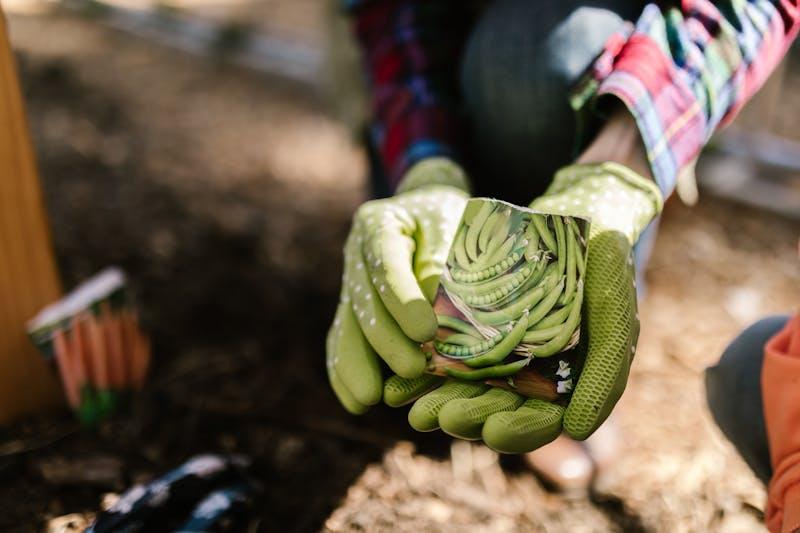
- BBC Gardeners’ World Magazine – Almost every issue comes with free seeds. Recent giveaways have included tomatoes, sunflowers, sweet peas, and salad leaves. At £4.99 an issue, you are essentially getting the magazine for free if you would have bought the seeds anyway.
- The Daily Telegraph – Runs regular seed giveaway promotions, especially in spring. Look for the weekend edition with bonus seed packets attached.
- Garden Answers Magazine – Another regular source of free seed packets. Often includes varieties that are not available in garden centres.
Keep an eye on supermarket magazine racks. The free seeds attached to the front are usually high-quality varieties worth more than the magazine itself.
3. Community Seed Libraries
Seed libraries are exactly what they sound like: you borrow seeds, grow them, and return some of the saved seeds at the end of the season. They are free, community-run, and spreading across the UK.
- The Seed Library Network – Check seedlibrary.net for UK seed libraries near you. Many are based in public libraries, community centres, and allotment sites.
- Local Libraries – An increasing number of UK public libraries have set up seed lending stations. Brighton, Bristol, Leeds, and Edinburgh all have active programmes. Pop in and ask at your local branch.
- Transition Town Groups – Many Transition Town organisations run seed libraries as part of their community resilience work. Find your local group at transitionnetwork.org.
4. Free Plants from Community Groups
Seeds are great, but sometimes you just want a plant that is ready to go. These community groups give away actual plants:
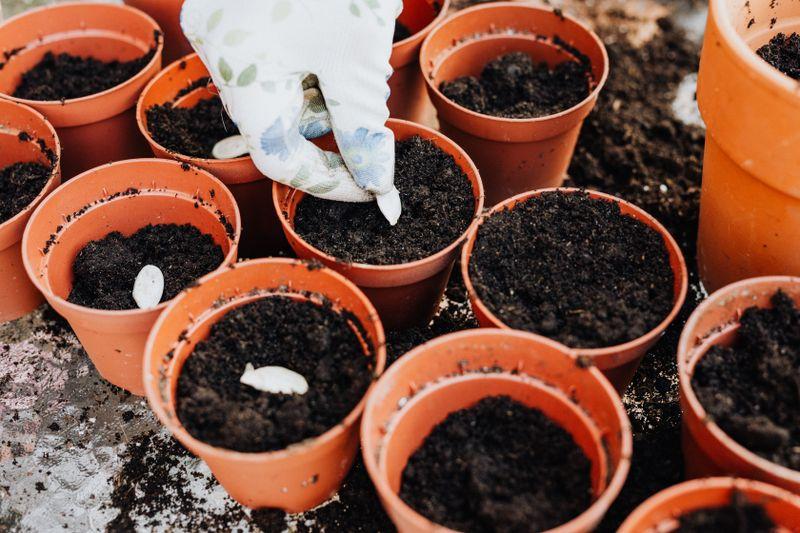
- RHS Community Groups – The Royal Horticultural Society supports hundreds of community gardening groups across the UK. Many hold regular plant swaps and giveaways for members. Annual membership is cheap, and the free plants alone can cover the cost.
- In Bloom Groups – Your local “Britain in Bloom” or “RHS It’s Your Neighbourhood” group may give away surplus plants after planting up public displays. Get involved as a volunteer and you will often be offered plants to take home.
- Allotment Societies – If you have an allotment, your site’s society almost certainly runs plant swaps. Even if you do not have a plot, many societies welcome associate members who can join in swaps and events.
- Freecycle and Freegle – Search “plants” or “seeds” on your local Freecycle or Freegle group. Gardeners thinning out their borders often give away huge clumps of perennials for free. You can also post a “wanted” ad explaining what you are looking for.
5. Supermarket and Garden Centre Freebies
Garden centres and supermarkets occasionally give away free plants and seeds as promotions:
- Wyevale/Garden Centre Group – Has run “free plant Friday” promotions in the past. Follow them on social media to catch the next one.
- Dobbies – Offers free gardening workshops for children that include free seeds and small plants to take home. No purchase necessary.
- B&Q – Occasionally runs free seed giveaways at the start of the growing season, usually tied to their kids’ gardening club.
- Lidl and Aldi – While not technically free, their plant deals are absurdly cheap. Perennial plants from £1.49, vegetable plants from 59p, and seed packets from 29p. It is hard to justify the effort of growing from seed when the plants cost less than a bus fare.
6. Save Your Own Seeds
The cheapest seeds of all are the ones you save yourself. If you grew plants last year, you have a ready supply of free seeds for this year. Here is what to save:
- Tomatoes – Scoop the seeds from a ripe tomato, spread on kitchen paper, and let them dry. Plant next spring. This works especially well with heritage varieties.
- Beans and peas – Leave a few pods on the plant until they dry completely. Shell them and store in a paper envelope in a cool, dry place.
- Sunflowers – When the flower head droops and the seeds look plump, cut it off and hang it upside down to dry. Rub the seeds out with your thumb.
- Marigolds and calendula – Deadhead the flowers and crumble the dried heads over a sheet of paper. The tiny seeds will fall out ready for next year.
- Lettuce and salad leaves – Let one or two plants “bolt” (go to seed). The seed heads produce hundreds of seeds you can save.
Important note: seeds saved from F1 hybrid plants will not grow true to type. Stick to open-pollinated or heritage varieties for seed saving. Companies like Real Seeds specialise in varieties that are specifically bred for home seed saving.
7. Foraging for Wild Plants and Cuttings
With permission, you can propagate plants from wild sources:
- Wildflower seeds – Collect seeds from meadows and roadside verges in late summer. Foxgloves, cornflowers, poppies, and yarrow all produce seeds you can scatter in your own garden. Only take a small amount and never from protected sites or nature reserves.
- Softwood cuttings – Many garden shrubs root easily from cuttings. If you know someone with a lavender, rosemary, or hydrangea you admire, ask for a small cutting. A 10cm stem stripped of its lower leaves and popped in compost will often root within weeks.
- Division – If a friend or neighbour has a large clump of perennials (hostas, day lilies, ornamental grasses), ask if you can have a small piece. Most perennials benefit from being divided every few years, so you are doing them a favour.
8. Online Freebie Sources
The internet has made it easier than ever to find free plants and seeds:
- Gumtree “Free” section – Search for “free plants” or “free seeds” in your local area. Gardeners clearing out before a move often give away entire collections.
- Facebook Marketplace – Filter by “Free” and search for plants. You would be amazed what people give away: mature shrubs, potted trees, entire pond plants.
- Nextdoor – Your hyper-local community app. Post saying you are starting a garden and would love any spare plants. Most neighbours are happy to share cuttings and divisions.
- Freebies.co.uk – Check our freebies page for current offers on garden products, seeds, and plant samples that companies are giving away.
9. Council and Government Schemes
Some local councils offer free trees and plants as part of environmental initiatives:
- Free Tree Schemes – Many councils give away free saplings during National Tree Week (late November). Check your council’s website or sign up to their mailing list.
- Community Orchards – Some councils provide free fruit trees for community groups. Even if you do not have a group, you can often volunteer and take home surplus trees.
- The Woodland Trust – Offers free tree packs for schools and community groups. Their “trees for schools” programme is worth investigating even if you just want a few trees for your own garden.
How Much Can You Really Save?
Let us add it up. A typical small garden planted from garden centre stock could easily cost:
- Seed packets: £2-4 each, 20 packets = £40-80
- Bedding plants: £3-5 per tray, 10 trays = £30-50
- Perennials: £5-10 each, 15 plants = £75-150
- Shrubs: £10-25 each, 5 shrubs = £50-125
Total: £195-405. Using the free sources above, you could cut that to under £20 (just the cost of compost and a few essentials). That is a saving of £175-385 for one growing season.
Getting Started Today
The best time to start collecting free seeds and plants is right now. Here is your action plan:
- This week: Join two Facebook seed swap groups and your local Freecycle. Post a “wanted” ad for any seeds or plants.
- This weekend: Visit your local library and ask if they have a seed library. Check the magazine rack for free seed offers.
- Next week: Save seeds from any plants you already have. Ask friends and neighbours for cuttings and divisions.
- Ongoing: Check Gumtree and Facebook Marketplace weekly. The best freebies go fast.
A garden full of free plants is not just cheaper. It is more interesting. Every plant has a story – the lavender from your neighbour’s garden, the sunflower seeds from a stranger on Facebook, the rosemary cutting from the community plant swap. Your garden becomes a collection of connections, not just a credit card statement.
For more money-saving garden tips, check out our guide on starting a vegetable garden for under £20 and our tips on cheap garden furniture.