
 Dr Mobeus
Free Culture Is One of the UK’s Best Perks
Here’s something most people don’t fully appreciate: the UK has some of the best free museums and galleries in the world. While tourists in New York pay $30 to visit a museum, you can walk into the National Gallery, the British Museum, or the V&A without paying a penny.
But there’s a catch – not all “free” museums are genuinely free, and many that charge have sneaky ways to get in for nothing if you know how. This guide covers everything: the truly free national collections, local free museums you’ve probably never heard of, and legitimate ways to get into paid exhibitions without paying full price.
The National Museums That Are Always Free
Let’s start with the big ones. These national museums and galleries are free to enter, permanently, funded by the government:
London
- British Museum – Two million years of human history. The Rosetta Stone, Egyptian mummies, and enough to fill several visits.
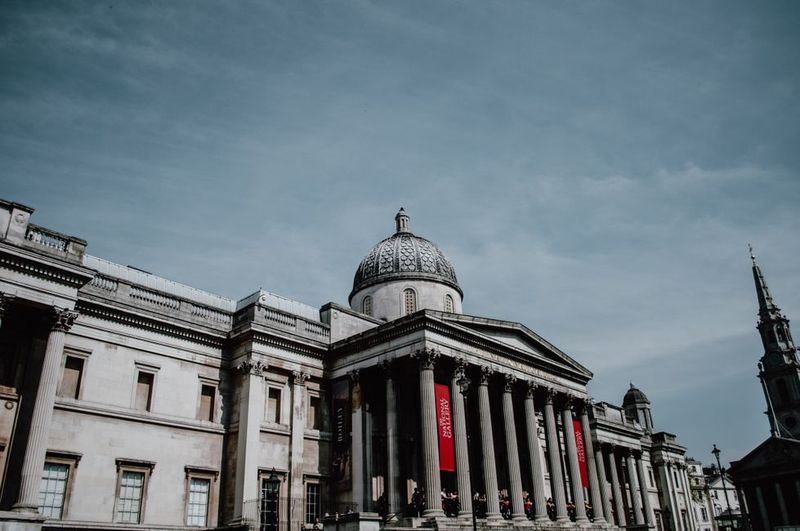
- National Gallery – Over 2,300 paintings from the 13th to early 20th century. Van Gogh’s Sunflowers, Turner, Constable, and more.
- National Portrait Gallery – Reopened in 2023 after a major refurb. Portraits of everyone from Henry VIII to Stormzy.
- V&A (Victoria and Albert Museum) – The world’s leading museum of art, design and fashion. The jewellery gallery alone is worth the trip.
- Natural History Museum – Dinosaurs, a blue whale skeleton, earthquakes and volcanoes. Brilliant for kids and adults.
- Science Museum – Space, medicine, technology, and a brilliant interactive gallery for under-8s.
- Tate Modern – Contemporary and modern art in a former power station. The Turbine Hall installations are always free.
- Tate Britain – British art from 1500 to today. The Turner collection is extraordinary.
- Imperial War Museum – Conflict from World War I to the present day. Powerful and free.
- Museum of London – The story of London from prehistory to the present. The Victorian street walkthrough is a highlight.
- Wallace Collection – A stunning townhouse full of art, armour and furniture. One of London’s most overlooked free gems.
- Wellcome Collection – Art and science collide. Weird, wonderful, and always free.
Outside London
- National Museums Liverpool – The Walker Art Gallery, World Museum, Merseyside Maritime Museum, and International Slavery Museum are all free.
- National Museum of Scotland, Edinburgh – Science, technology, natural world and Scottish history, all free.
- National Museum Wales – Seven museums across Wales including the National History Museum at St Fagans – a genuine must-visit.
- National Museums Northern Ireland – The Ulster Museum, Ulster Folk Museum, and Ulster Transport Museum are all free.
- Manchester Museum – Dinosaurs, live reptiles, and a brilliant natural history collection. Free entry.
- Birmingham Museum and Art Gallery – One of the finest collections outside London. Free entry, though some temporary exhibitions charge.
- Royal Armouries, Leeds – Arms and armour from around the world. Free and surprisingly entertaining.
- Ashmolean Museum, Oxford – Art and archaeology from around the world. Free, and genuinely world-class.
- Fitzwilliam Museum, Cambridge – Another brilliant free university museum with an outstanding art collection.
The “Mostly Free” Museums
Some museums are free to enter but charge for special exhibitions. This is worth knowing because the permanent collections are often the best bit anyway:
- Royal Academy of Arts, London – Free collection galleries, paid exhibitions. The free collection includes works by Reynolds, Gainsborough and more.
- Barbican Centre, London – The art gallery and conservatory are free. The conservatory is only open on Sunday afternoons and is a lush, peaceful oasis.
- Southbank Centre, London – Most of the foyer exhibitions and installations are free. They also run free events and workshops year-round.
- Kelvingrove Museum, Glasgow – Free entry to one of Scotland’s most visited attractions. The organ recital at 1pm daily is a local tradition.
How to Get into Paid Exhibitions for Free
Temporary exhibitions at places like the Tate, V&A and British Museum often charge £15-25. Here’s how to see them without paying:
1. Art Fund Pass
An Art Fund card costs £73 a year (or £45 for under-30s) and gives you free or half-price entry to hundreds of museums and galleries across the UK. If you visit two paid exhibitions a year, it pays for itself. Under-25s can get it for just £35.
2. Membership Perks
If you’re a member of the National Trust, English Heritage, or any museum’s Friends scheme, you often get free or discounted entry to other institutions. Check the back of your membership card – you probably have more perks than you realise.
3. Last-Hour Discounts
Some museums offer reduced or free entry in the last hour of the day. The Royal Academy often does this. Call ahead or check the website.
4. Open Days and Festival Events
Museums at Night (usually May and October), Heritage Open Days (September), and Open House London (September) all offer free access to buildings and exhibitions that normally charge. Put these in your calendar now.
5. Local Library Cards
Some local authorities give library card holders free passes to local museums and attractions. It varies by area, but it’s always worth asking at your local library.

The Best Free Museums You’ve Probably Never Heard Of
Beyond the big nationals, the UK has hundreds of small, quirky, brilliant free museums. Here are some of the best:
- Grant Museum of Zoology, London – A Victorian collection of 68,000 animal specimens. Intensely weird and completely free.
- Bank of England Museum, London – The history of money, including a gold bar you can try to lift. Free.
- Horniman Museum, London – A stuffed walrus, an aquarium, and beautiful gardens in Forest Hill. The most underrated museum in London.
- Thackray Museum of Medicine, Leeds – Actually this one charges, but the Leeds City Museum next door is free and excellent.
- Pitt Rivers Museum, Oxford – An anthropological wonderland. Shrunken heads, witch bottles, and objects from every corner of the globe.
- People’s History Museum, Manchester – The story of democracy and working people’s lives in Britain. Free and eye-opening.
- Surgeons’ Hall Museum, Edinburgh – A fascinating (and gory) collection of surgical history. Free entry.
- Rylands Library, Manchester – Not strictly a museum but one of the most beautiful buildings in the UK. Free to enter and you’ll gasp at the gothic architecture.
- Cabinet War Rooms, Dundee – The HMS Unicorn and HM Frigate Unicorn are floating museums with cheap entry, but Discovery Point has free elements.
- Bristol Museum and Art Gallery – Free, excellent, and with a brilliant dinosaur gallery and Egyptian collection.
Free Museum Events Worth Knowing About
Many free museums run additional free events that are worth going to specifically, not just as a bonus:
- Lates – Many museums open late one evening a month with free talks, workshops, music and a bar. The Science Museum Lates, Natural History Museum Lates, and Tate Lates are all brilliant.
- Family workshops – Most national museums run free drop-in workshops for kids during school holidays. They’re genuinely good quality and fill up fast.
- Gallery tours – Free guided tours run daily at most national museums. The volunteer guides are often more knowledgeable than the wall labels.
- Friday night music at the National Gallery – Free live music on Friday evenings. Lovely atmosphere.
Museum Cafes – A Hidden Money Saver
Here’s a tip most people miss: museum cafes are often subsidised and significantly cheaper than nearby restaurants. The cafe at the National Gallery, the V&A cafe (which is stunning), and the cafe at the Wellcome Collection all offer good food at well-below-West-End prices. If you’re in central London, a museum cafe lunch is one of the best value meals you’ll find.
How to Make the Most of a Free Museum Visit
Free museums are only a bargain if you actually go. Here’s how to get the most out of them:
- Don’t try to see everything. Pick 3-5 things you want to see and focus on those. Museum fatigue is real – after 90 minutes, you stop absorbing information.
- Go on weekday mornings. School groups dominate weekday afternoons. Mornings are quieter, especially on rainy days when afternoon crowds arrive.
- Download the app. Most major museums have free apps with audio guides, trails and highlights. Better than paying £5 for the paper guide.
- Check for free trails. Museums often have themed trails (dinosaur trail, art detective trail) that give kids (and adults) a focus. Ask at the information desk.
- Combine visits. South Kensington has three free national museums within a 5-minute walk. Plan a day and do two.
Getting There Cheaply
Free entry doesn’t help if the train ticket costs £80. Here are ways to cut travel costs to free museums:
- Railcards – A £30 Railcard saves you a third on train fares. If you visit London once, it’s paid for itself. See our guide to saving money on train travel.
- Off-peak travel – Trains after 9:30am on weekdays are significantly cheaper. Saturday is usually cheap too.
- Coach travel – National Express and Megabus often have fares to London from £5-10 if you book in advance.
- GroupSave – If 3-9 of you travel together on South Eastern, Southern, or Thameslink, you get a third off with a GroupSave discount.
The Bottom Line
The UK’s free museums are one of the best deals in the country. You could spend every weekend for a year visiting different free museums and still not run out. Whether you’re into art, history, science, or just want a rainy day activity that doesn’t cost £50, there’s a free museum near you worth visiting.
For more free and cheap days out, check out our guide to the best free days out in summer 2026 and how to save money on days out with the kids.