
 Dr Mobeus
UK homes are not built for heat. Most of us have insulation designed to trap warmth, windows that face the sun all afternoon, and exactly zero air conditioning. When a heatwave hits and your bedroom becomes a sauna at 11pm, you start googling portable AC units faster than you can say “next-day delivery.”
But here is the thing: you do not need air conditioning to stay cool. UK homes can be kept comfortable with a mix of timing, airflow, and a few cheap tricks that cost pennies compared to the £200-400 a portable AC unit would set you back (plus the electricity to run it).
Here are the methods that actually work. Not the ones you read in a lifestyle magazine that tell you to “wear linen” – the ones that lower your room temperature by 3-5 degrees without spending a fortune.
The Window Strategy – When to Open and Close
This is the single biggest factor in how hot your house gets, and most people get it wrong.
The Golden Rule
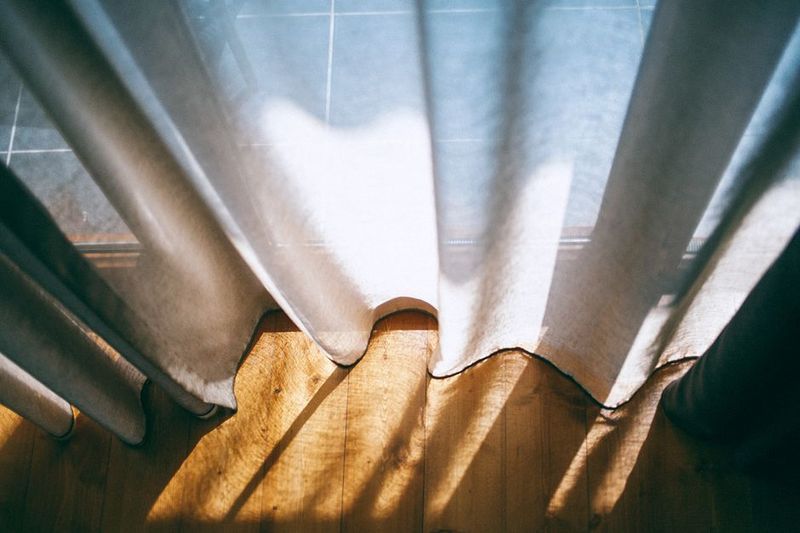
- Close windows and curtains on the sunny side during the day. This is not intuitive – you want fresh air, right? But opening a window when it is hotter outside than inside just pumps hot air into your house. Close the curtains on whichever side the sun is hitting and you block radiant heat from entering.
- Open everything at night when the outside temperature drops below indoor temperature. This is usually from around 9-10pm onwards in a heatwave. Open windows on opposite sides of the house to create a through-draught. Prop doors open. Get that cool night air flowing through.
- Close up again first thing in the morning before the outside temperature rises. Usually by 7-8am in summer. Seal the cool air in.
Which Curtains and Blinds Work Best
Not all window coverings are equal. Here is what actually makes a difference:
- Blackout curtains: The best option. They block both light and heat. If you do not have them, even regular thick curtains are better than nothing.
- Thermal blinds: Honeycomb or cellular blinds trap air in their layers and provide decent insulation against heat.
- Reflective window film: Costs about £5-10 per window on Amazon. You stick it on and it reflects up to 70% of solar heat. Looks a bit odd from outside but works surprisingly well, especially on south-facing windows.
- Cheap hack: Cardboard taped to the window with aluminium foil on the outside. Looks terrible but costs virtually nothing and reflects heat effectively. Ideal for spare rooms or windows you do not look at much.
DIY Air Conditioning That Actually Works
You have probably seen the “put a bowl of ice in front of a fan” hack. It does work, but there are better versions.
The Frozen Bottle Fan
Fill a 2-litre plastic bottle with water and freeze it. Place it on a tray (to catch condensation) in front of a desk fan. The fan blows air over the frozen bottle, cooling it by 2-3 degrees. It is not AC, but in a small room it makes a noticeable difference for about 3-4 hours until the ice melts.
Pro tip: keep 3-4 bottles in the freezer and rotate them. While one is in front of the fan, the others are refreezing.
The Wet Sheet Method
Hang a damp (not dripping) cotton sheet over a clothes airer or line near an open window at night. As the breeze hits the wet fabric, it evaporates and cools the air passing through. This is the same principle as evaporative coolers that sell for £100+. Cost: one old bedsheet.
The Fan and Ice Combo
If you have a tower fan with a narrow base, place a roasting tray of ice directly in front of it at ground level. Cold air sinks, so the fan pulls the cold air off the ice and circulates it. More effective than a bowl of ice on a table.
Cheap Cooling Gear That Pays for Itself
A few small purchases that make a big difference when your house is too hot:
Under £10
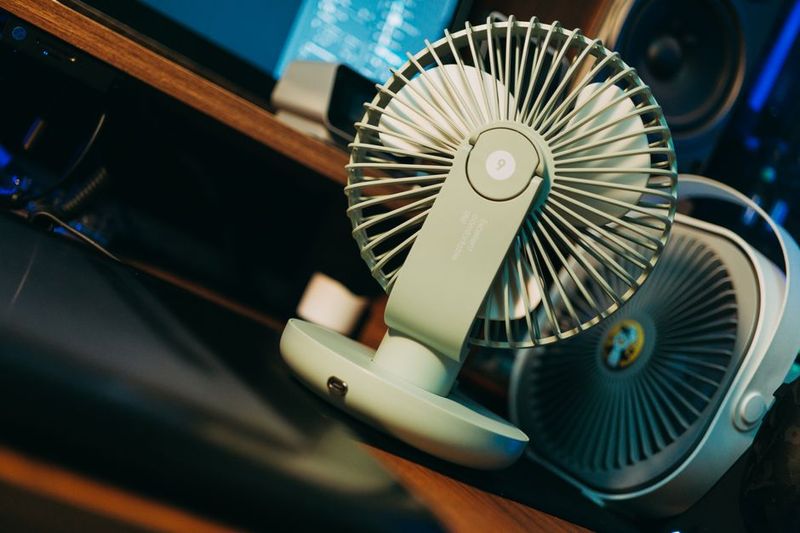
- Desk fan (£8-15): The most cost-effective cooling device you can buy. A 12-inch desk fan uses about 15 watts – that is less than 1p per hour to run. Running it 12 hours a day costs under 10p.
- Hot water bottle (£5): Fill it with cold water and freeze it. Put it in your bed 30 minutes before you sleep. It cools the sheets and you can hug it or put it at your feet.
- Reflective window film (£8-12): As mentioned above, reflects solar heat and keeps south-facing rooms significantly cooler.
- Cotton bedding (£10-20): Switch to 100% cotton sheets in summer. Polyester and synthetics trap heat. Cotton breathes and lets your body regulate temperature.
Under £20
- USB desk fan (£12): For your home office. Plugs into your laptop, costs pennies to run, and stops you melting at your desk.
- Evaporative cooling towel (£10): Wet it, wring it out, drape it over your neck. Stays cold for hours. Brilliant for working or sleeping.
- Bamboo blind (£15-20): Outside your sunniest window. Blocks direct sun before it hits the glass, which is more effective than interior curtains alone.
Worth Mentioning: Portable AC
If you are seriously considering buying a portable air conditioner, know this: the cheapest ones start at around £150 and use 800-1200 watts. Running one for 8 hours costs about £1.50-2.00 per day in electricity. Over a typical 2-week heatwave, that is £20+ on top of the purchase price.
Compare that to a desk fan at under 1p per hour. The fan is not as effective, but it is 150 times cheaper to run.
Room-by-Room Cooling Strategy
Bedroom – The Most Important Room to Cool
- Close curtains and window from 8am to 9pm on hot days
- Put a frozen hot water bottle in your bed 30 minutes before sleeping
- Sleep with a damp flannel on your forehead or chest
- Sleep downstairs if you can – heat rises, and upstairs bedrooms can be 3-5 degrees warmer
- Use cotton or bamboo bedding, never polyester
- Point a fan at the ceiling or slightly away from you – direct fan on skin can make you feel more uncomfortable if the air is warm
Living Room
- Close curtains on south and west-facing windows during the afternoon
- Open front and back doors (with security in mind) to create a through-draught in the evening
- Turn off standby appliances – TVs, routers, and chargers generate heat
- Use LED bulbs if you still have halogens – they produce far less heat
Kitchen
- Avoid using the oven on hot days. Use the microwave, slow cooker, or eat cold meals
- Boil water in a kettle rather than on the hob – it produces less ambient heat
- Run the dishwasher at night when it is cooler
- Keep the kitchen door closed to stop heat spreading through the house

The Heat Habits That Make a Difference
Small changes to your daily routine that keep you cooler without spending anything:
- Cool your pulse points: Run cold water on your wrists for 30 seconds. The blood vessels there are close to the surface and it cools your whole body quickly. Also effective on your temples, neck, and the backs of your knees.
- Freeze your nightwear: Put your pyjamas in a bag in the freezer for 30 minutes before bed. It sounds odd but it is genuinely refreshing.
- Have a cool shower before bed: Not freezing cold – that makes your body generate heat to compensate. Tepid or slightly cool is better.
- Stay hydrated: Your body cools itself through sweating. If you are dehydrated, it cannot do that efficiently. Drink more water than you think you need.
- Eat lighter meals: Heavy, hot meals make you feel warmer. Salads, cold pasta, and fruit require less body heat to digest.
- Close internal doors: If one room (usually the kitchen) is hot, keep the door closed to stop the heat spreading.
How Much Money You Save vs Air Conditioning
Here is the maths for a typical UK heatwave lasting 2 weeks:
- Portable AC unit: £150-300 to buy + £1.50-2.00 per day to run = £170-328 total
- Desk fan + frozen bottles: £10-15 to buy + under 10p per day to run = £11-16 total
- Full DIY setup (fan + window film + cotton bedding + hot water bottle): £40-50 one-off + under 20p per day = £43-53 total
You could spend £300 on AC or under £50 on everything in this guide and be nearly as comfortable. That is a £250 saving from one heatwave alone.
Quick Reference: Your Cool House Checklist
- Close curtains on sunny windows by 8am
- Open all windows and doors after 9pm for through-draught
- Close up again by 7-8am before temperatures rise
- Freeze water bottles for DIY fan cooling
- Switch to cotton bedding
- Turn off standby appliances
- Use the microwave instead of the oven
- Run cold water on your wrists when you feel too hot
- Keep internal doors closed between hot and cool rooms
- Sleep on the ground floor if upstairs is too warm
UK heatwaves usually last 3-10 days. With these strategies, you can get through them comfortably without spending hundreds on air conditioning you will use twice a year. Save the money, open the windows at night, and remember: it will rain again soon.
Looking for more ways to save on household costs? Check out our guide to cutting your energy bills and our tips on saving money on your water bill.