
 Dr Mobeus
Festival season 2026 is nearly here. Glastonbury, Reading, Leeds, Download, Wireless, TRNSMT, Boardmasters – the UK festival calendar is packed. But a weekend of music and mud can easily cost £500+ per person when you add up tickets, travel, food, drink and camping gear. The good news is you do not have to spend that much. With the right approach, you can slash £250+ off your festival costs without sacrificing the experience. Here is exactly how.
Getting Cheaper Festival Tickets
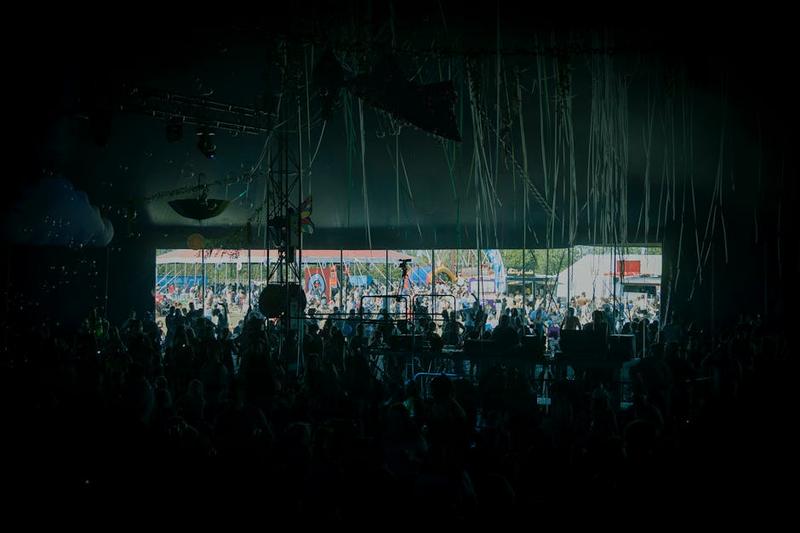
The ticket is usually your biggest expense, so this is where the biggest savings are:
Buy in the Early Bird Window
Most festivals release early bird tickets 6-12 months before the event at a significant discount. Glastonbury’s early bird tickets are typically £50-80 cheaper than the final release price. Reading and Leeds early bird passes save around £30-40. Sign up to festival mailing lists and follow their social media so you know the moment tickets drop.
Volunteer and Go Free
This is the single best money-saving hack for festivals. Organisations like Oxfam, WaterAid and The Samaritans recruit thousands of volunteer stewards every year. You typically work three 8-hour shifts across the weekend and get your ticket for free plus a separate crew camping area with proper showers. You miss a few bands but save £200-300. Applications open early in the year – January to March usually – and they fill up fast.
Local Resident Tickets
If you live near a festival, you may qualify for discounted local resident tickets. Glastonbury, for example, offers cheaper tickets to residents of Somerset and surrounding postcodes. Check the festival website for details – proof of address is required.
Payment Plans
Major festivals like Glastonbury, Reading and Download offer payment plans that spread the cost over several months. It does not save money overall, but it makes a £300+ ticket much more manageable when it is split into five £60 payments rather than one hit. Check Ticketmaster and festival websites for plan availability.
Day Tickets Instead of Weekend Passes
If you only want to see a couple of acts, a day ticket can save you £100+. Day tickets for Reading and Leeds typically cost £85-100 compared to £250+ for the full weekend. Check the line-up day splits and buy only for the day your must-see acts are playing.
Getting There Cheaply
Travel is the second biggest cost after tickets. Here is how to cut it right down:
Official Coach Packages
Most big festivals offer coach + ticket packages through partners like Big Green Coach. These often work out cheaper than buying a ticket and train separately, and you are guaranteed to arrive on time. Glastonbury coach packages sometimes even sell out slower than general admission, giving you another bite at tickets.
Car Share and Liftshares
Splitting fuel and parking four ways is dramatically cheaper than going solo. A 200-mile round trip costs roughly £50 in fuel plus £20-40 parking – split four ways that is under £20 each. Check:
- Liftshare.com – The UK’s biggest car-sharing platform with dedicated festival sections
- Festival Facebook groups – Search “[festival name] 2026 lift share” – there are always posts
- Festival forums – Reddit and dedicated festival forums have ride-share threads
Train Booked in Advance
Book train tickets 12 weeks ahead for the cheapest fares. A 16-25 or 26-30 Railcard saves a third. Check split ticketing on TrainSplit or Trainsplit.com – you can sometimes save £20+ by splitting your journey into two tickets at an intermediate station without even changing trains.
Camping on the Cheap
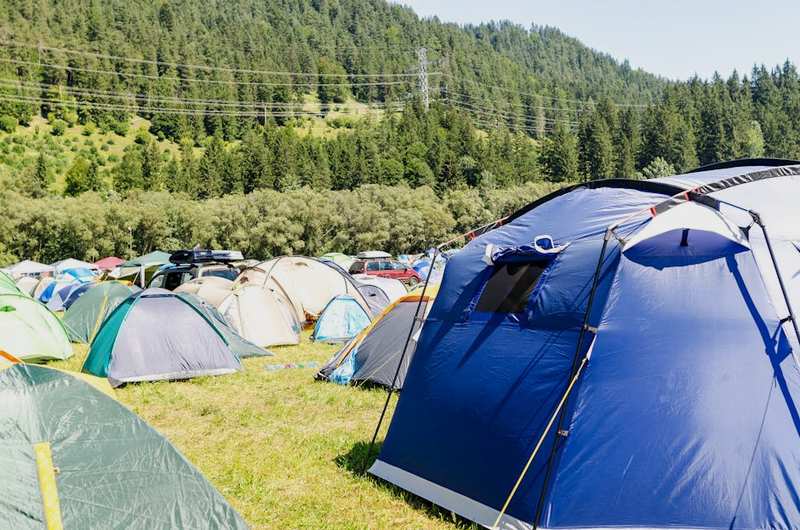
You do not need expensive kit for a festival. Here is how to camp for next to nothing:
Borrow, Do Not Buy
Before buying any camping gear, ask around. Friends, family and colleagues often have tents, sleeping bags and roll mats gathering dust in their loft. A borrowed two-man tent saves you £40-80.
Supermarket Tents
If you must buy, do not go to a camping shop. Aldi and Lidl sell perfectly adequate two-man festival tents for £20-30 during their special buys events. Decathlon is also excellent value – their 2-second pop-up tents are £35 and genuinely good. They will survive a UK festival weekend. Just do not expect them to last a decade.
Skip the Glamping
Pre-erected tents, yurts and bell tents cost £200-600 for the weekend on top of your ticket. That is a £400+ premium for a bed. Bring your own tent and spend that money on things you will actually remember.
Saving on Food and Drink
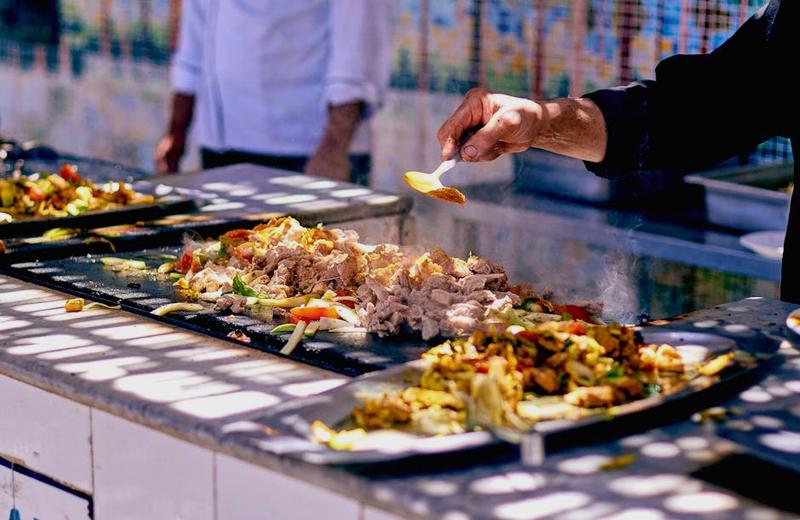
Festival food is expensive. A burger costs £8-12, a pint is £6-8, and before you know it you have spent £60 a day just on eating. Here is how to avoid that:
Bring Your Own Food
Most festivals allow you to bring food and soft drinks into the campsite (not the arena). A cool bag with rolls, crisps, fruit, cereal bars and pasta salads from the supermarket costs £15-20 and covers most of your meals. Even if you buy one hot meal a day at the festival, that saves £30+ compared to buying everything on site.
Campsite Cooking
A cheap camping stove (£10-15 from Decathlon or Go Outdoors) plus a pan lets you cook proper meals at your tent. Supermarket sausages, baked beans and noodles cost a fraction of what the food stalls charge. Just check the festival rules first – some ban disposable barbecues and gas canisters.
Pre-Drink at the Tent
If you drink alcohol, buying cans from a supermarket before you arrive saves £3-4 per drink compared to festival bar prices. A 12-pack of lager from Aldi costs around £10. The same volume at festival prices would be £70+. Even if you still buy a few pints in the arena, starting at your tent saves a fortune.
Free Water Refills
Every major festival has free water refill points. Bring a reusable bottle and never buy bottled water. A 500ml bottle at a festival costs £2-3. Over a weekend, that is £12+ you simply do not need to spend.
What You Do Not Need to Buy
Festival packing lists on outdoor shop websites are designed to make you spend. Here is what you can safely skip:
- Expensive waterproof jacket – A £5-10 pack-a-mac from a pound shop or supermarket does the same job for a weekend. It will not last years but it will last the festival.
- Camping furniture – Fold-up chairs and tables are nice but not necessary. A picnic blanket or even a bin bag does the job.
- Fancy wellies – Cheap wellies from Wilko or a supermarket cost £5-10. Hunter wellies cost £90. They both keep your feet dry exactly the same.
- Portable phone chargers – Most festivals have free charging tents. Bring a cable and use them instead of spending £20-40 on a power bank.
Smaller Festivals Cost Less
The big name festivals are the most expensive. But the UK has hundreds of smaller festivals that are brilliant and much cheaper:
- 2000trees (Cheltenham) – £130 for a weekend with 100+ bands on 6 stages. A quarter of the price of Reading.
- Shambala (Northamptonshire) – £180 weekend ticket for a magical, family-friendly festival with no corporate branding.
- Deer Shed (North Yorkshire) – £155 weekend, great for families, brilliant line-up.
- End of the Road (Wiltshire) – £210 weekend, indie-folk focus, much more intimate than Glastonbury.
- Bearded Theory (Derbyshire) – £140 weekend, friendly, fun, great music and a real community feel.
Smaller festivals often include parking in the ticket price, have cheaper food stalls and cost less to travel to. The total saving versus a major festival can be £200+.
The Festival Budget Breakdown
Here is what a typical major festival weekend costs versus the budget approach:
- Ticket: £270 full price / £190 early bird or free volunteering
- Travel: £80 train on the day / £25 advance train or £15 car share
- Camping gear: £120 new from outdoor shop / £30 supermarket + borrowed
- Food and drink: £180 all bought on site / £50 own food + some bought
- Extras: £60 (merch, fancy dress, etc.) / £20 (skip the overpriced tat)
Typical total: £710 versus Budget total: £315 – a saving of nearly £400.
For more money-saving tips, check out our guide to saving money on your summer holiday and browse the latest deals and voucher codes at freebies.co.uk.
The Bottom Line
You do not need to spend £700 on a festival weekend. Volunteer for a free ticket, travel smart, bring your own food, skip the overpriced camping gear and consider the brilliant smaller festivals that cost half the price. The music is just as good, the atmosphere is often better and you will have money left over for the next one. Festival season should be about the experience, not the expense – and with these tips, it can be.

